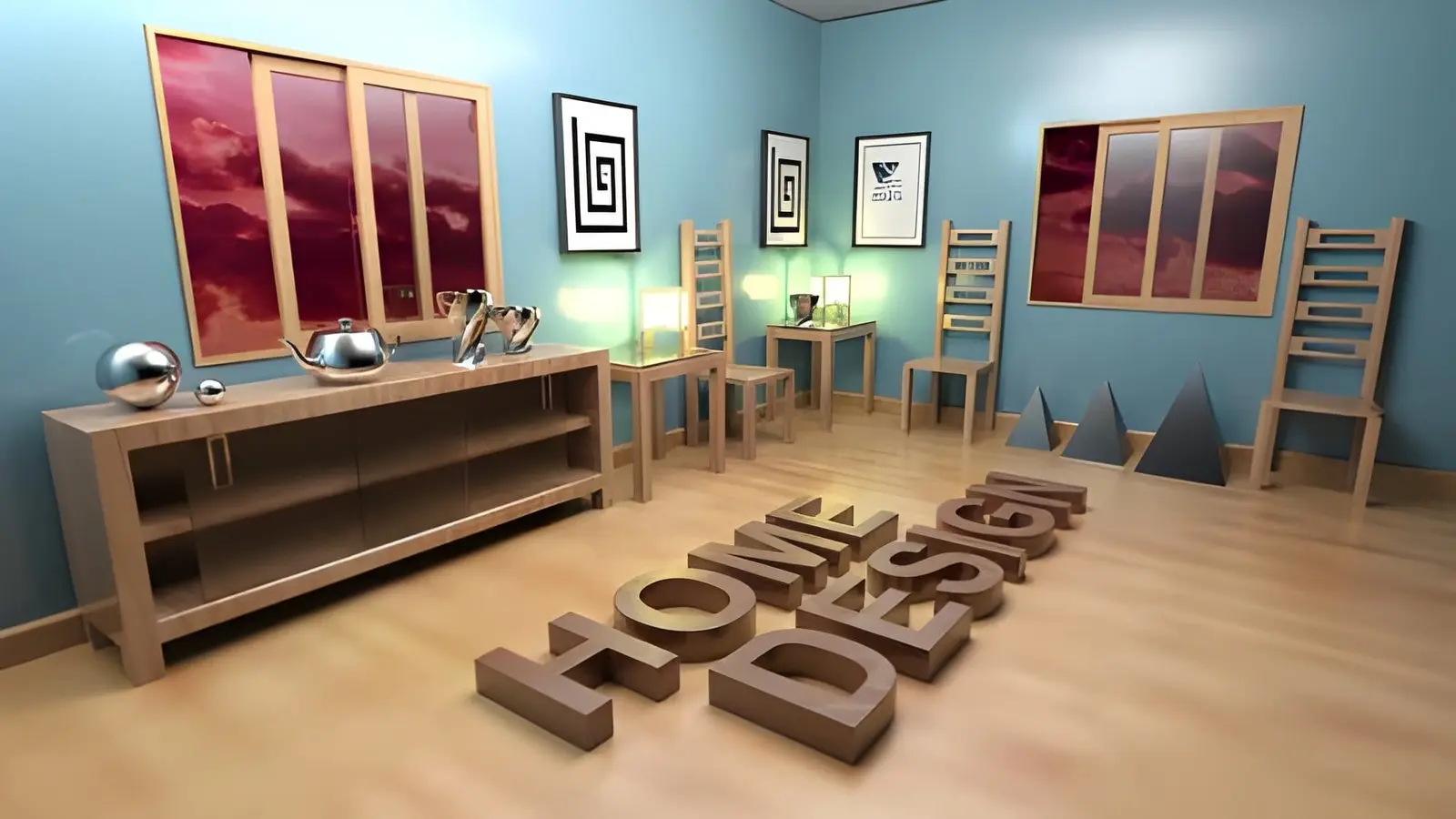
Most home design decisions revolve around how a space looks or how efficiently it functions day to day , kitchens built for cooking, living rooms built for entertaining, offices built for focus. Rest and recovery rarely get the same intentional treatment, even though they’re just as essential to how a home actually supports the people living in it. That’s starting to change, as more homeowners design specific spaces , sometimes centered around something as deliberate as a far infrared sauna , around the simple goal of helping the body and mind properly recover.
Recovery Needs a Dedicated Space, Not a Leftover One
In most homes, “resting” happens wherever there’s room left over , a couch in the living room, a corner of the bedroom, maybe a hammock in the backyard for a few months a year. The problem with borrowed space is that it’s rarely designed with recovery in mind. It’s shared with screens, foot traffic, and the general noise of a busy household, which makes it hard to fully switch off.
A dedicated recovery space works differently. Even a small, intentionally designed room signals to both the body and the mind that this is a space for slowing down, not multitasking. That psychological cue matters more than people expect , physical environments strongly influence behavior, and a space built specifically for rest tends to get used for rest, rather than becoming another spot to check a phone.
Sensory Details Matter More Than Square Footage
Good recovery-focused design isn’t primarily about size. It’s about sensory control , lighting that can be dimmed rather than fluorescent overhead glare, materials that feel warm and natural rather than cold and clinical, and sound insulation that actually separates the space from the rest of the household’s noise. A small, well-designed nook with the right lighting and materials will support recovery far better than a large room that still feels like an extension of the rest of the house.
This is part of why natural materials like wood have become such a common choice in recovery-oriented spaces. Beyond aesthetics, they create a sensory environment that feels distinct from the sterile surfaces found throughout the rest of a typical home , a subtle but real cue that this space serves a different purpose.
Heat and Warmth as a Design Element
Temperature is one of the most underused tools in home design, especially when it comes to recovery. Most homes are designed for a single, neutral temperature throughout, optimized for comfort rather than any specific physical or mental benefit. Recovery-focused spaces increasingly treat heat as a deliberate design feature rather than an afterthought , building rooms specifically intended to run warmer, whether through a heated space, a warm soaking area, or a sauna.
This kind of intentional warmth serves a purpose beyond comfort. It gives the body a clear physical signal to relax, and it gives the mind a dedicated ritual , stepping into a warm space becomes a marked transition from the rest of the day, rather than just another room to pass through.
Designing for Ritual, Not Just Function
The most effective recovery spaces tend to support a repeatable ritual rather than a one-off activity. A stretching corner used only occasionally doesn’t do much; the same space used consistently, as part of an evening wind-down routine, becomes genuinely valuable over time. Good design supports this by making the space inviting enough that using it feels easy rather than like extra effort.
This is one of the reasons dedicated recovery rooms tend to outperform generic “wellness corners” tucked into unused space. When a room is built around a specific ritual , a short sauna session, a few minutes of stretching, a period of quiet before bed , it’s far more likely to actually become a habit.
A Long-Term Investment in How a Home Feels
Recovery-focused design isn’t just about the room itself; it changes how the rest of the home feels by comparison. Once a household has a space clearly set aside for slowing down, the rest of the home can stay focused on its other functions , activity, work, socializing , without every room trying to do everything at once. That separation tends to make an entire home feel calmer and more intentional, not just the recovery space itself.
The Bottom Line
Designing a home to support rest and recovery isn’t about adding one more amenity for the sake of it , it’s about recognizing that recovery deserves the same intentional design thinking that goes into a kitchen or a home office. A dedicated space, thoughtful sensory details, and a deliberate use of warmth can turn recovery from something squeezed into leftover time into a genuine daily ritual.
As more homeowners rethink what their spaces are actually for, rest and recovery are increasingly being treated not as an afterthought, but as one of the most important functions a home can support.
Also Read-Understanding Content Protection Technologies for Secure Video Delivery