
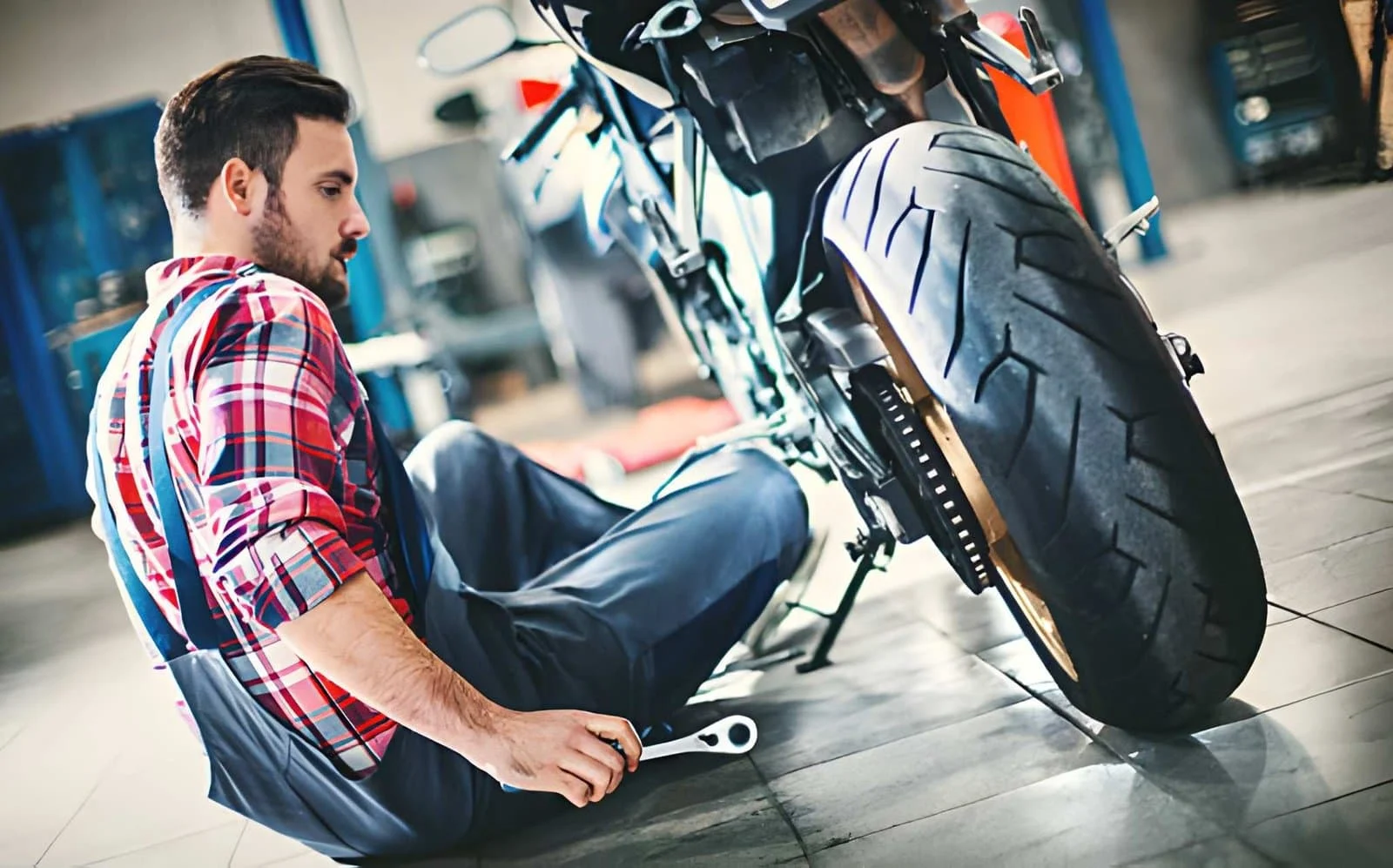
Motorcycle maintenance is about more than keeping a bike clean or making it look good in the garage. It is about confidence. When a rider knows the bike has been checked, serviced, and inspected, every ride feels smoother and less stressful. Small maintenance habits can help prevent annoying problems, unexpected repairs, and safety concerns on the road.
Motorcycles are exposed to heat, vibration, weather, road grime, and constant movement. Because the bike is smaller and more open than a car, worn or loose parts can be easier to notice but also more important to address quickly. A strange sound, loose connection, exhaust leak, weak clamp, or worn gasket can affect how the bike feels and performs.
Routine maintenance does not always need to be complicated. Riders can start with the basics: check fluids, inspect tires, look for leaks, test lights, listen for unusual noises, and make sure fasteners are secure. Exhaust parts, hardware, and sealing areas are also worth checking because they deal with heat and vibration every time the bike runs.
Peace of mind comes from knowing the bike is ready before the ride begins. A few simple checks can make weekend cruising, commuting, and longer trips more enjoyable.
Routine Supplies for Keeping Bikes Ready To Ride
A motorcycle should be inspected regularly, especially before longer rides or after sitting for a while. Even if the bike starts and runs, it is still worth checking the parts that help keep the ride smooth, safe, and reliable.
Tires are one of the first areas riders should inspect. Tire pressure affects handling, braking, comfort, and stability. Low pressure can make the bike feel heavy or slow to respond, while worn tread can reduce grip. Riders should check pressure when the tires are cold and look for cracks, punctures, uneven wear, or anything stuck in the tread.
Fluids are another key part of routine maintenance. Engine oil, brake fluid, coolant on liquid-cooled bikes, and clutch fluid on certain models should be checked according to the bike’s service schedule. Low or dirty fluid can affect performance and reliability. A quick visual check can help catch leaks or service needs before they become larger issues.
The chain or belt also needs attention. Chain-driven motorcycles require proper tension, cleaning, and lubrication. A dry or loose chain can wear faster and make the bike feel rough. Belt-driven bikes should be inspected for cracks, damage, or debris. Shaft-driven motorcycles may require less frequent service, but they still need proper maintenance.
Brake checks are also important. Riders should inspect brake pads, rotors, lines, and fluid level. If the lever or pedal feels soft, spongy, or inconsistent, the brake system should be checked before riding. Brakes are one of the most important systems on any motorcycle, so warning signs should never be ignored.
Exhaust condition is another area worth watching. A bike that suddenly sounds louder, rattles, or smells different may have an exhaust leak or loose hardware. Riders may search for mufflers near me when they notice the muffler is damaged, rusted, leaking, or no longer controlling sound properly.
Mufflers help reduce noise and direct exhaust gases safely away from the rider and bike. If a muffler is loose or damaged, the bike may sound harsher and feel less refined. Rattling noises can also point to loose brackets, clamps, or internal damage.
Lights and electrical parts should be checked before every ride. Headlights, brake lights, turn signals, and license plate lights help other drivers see the motorcycle. Because motorcycles are smaller than cars, visibility matters even more. A burned-out bulb or weak signal can increase risk on the road.
Routine supplies like cleaners, lubricants, shop towels, basic hand tools, tire gauges, and replacement hardware can make maintenance easier. Riders who keep simple supplies on hand are more likely to handle small issues before they interrupt a ride.
Local Searches That Help Find Common Repair Items
When a motorcycle needs a quick repair item, local searches can help riders find parts faster. This is especially useful when a small issue appears before a weekend ride or while preparing for a longer trip. Common repair items may include clamps, gaskets, bulbs, fluids, cleaning supplies, fasteners, and exhaust hardware.
Exhaust gaskets are a good example of a small part that can make a noticeable difference. An exhaust gasket helps seal connection points in the exhaust system. If a gasket fails, the bike may develop a ticking sound, louder exhaust note, or leak near the connection.
A bad gasket can also allow exhaust gases to escape before they reach the correct outlet. This may create noise, fumes, heat near surrounding parts, or performance changes depending on the location of the leak. Riders should not ignore exhaust leaks because they can worsen over time and may affect comfort or safety.
Exhaust leaks can be easier to notice on a motorcycle because the rider is closer to the engine and exhaust system. A sharp ticking noise during startup, a change in tone, or soot near a joint may point to a sealing issue. If a gasket is replaced, the surface should be cleaned carefully so the new gasket can seal properly.
A muffler clamp is another common exhaust-related part. Clamps help secure exhaust sections and reduce movement at joints. If a clamp is loose, rusted, damaged, or missing, the exhaust system may rattle, shift, or leak.
Vibration is a constant part of motorcycle operation, so hardware can loosen over time. Riders should inspect clamps, brackets, and mounting points for signs of movement or wear. A clamp that looks weak or no longer tightens properly may need replacement before it causes more noise or stress on nearby parts.
Local searches are helpful because riders often need small repair parts quickly. A bike may not need a major repair, but a missing clamp, worn gasket, or damaged muffler can still delay a ride. Finding the right part nearby helps keep maintenance simple and convenient.
When looking for common repair items, riders should try to match the part to the bike’s setup. Exhaust diameter, fitment, material, and connection style can all matter. Guessing can lead to poor fit, leaks, or extra trips to the store. Bringing old hardware or checking fitment details ahead of time can make the process easier.
It is also smart to inspect related parts when replacing one item. If a gasket failed, check the flange and hardware. If a clamp is damaged, check the pipe connection. If the muffler is loose, check the hanger or bracket. Fixing the surrounding issue helps prevent the same problem from returning.
Good motorcycle maintenance is often about being prepared. Knowing where to find common repair items and understanding what they do can help riders stay ahead of small issues.
Conclusion
Motorcycle maintenance gives riders peace of mind because it helps reduce surprises before and during a ride. Routine checks for tires, fluids, brakes, lights, chains, belts, and exhaust parts can make the bike feel safer and more dependable.
Exhaust maintenance is especially useful because heat and vibration can loosen hardware or wear out sealing areas. Mufflers help control sound and direct exhaust properly. Exhaust gaskets help seal connection points, and muffler clamps help keep sections secure. These small parts can have a big impact on how the bike sounds and feels.
Riders do not need to overcomplicate maintenance. A clean routine, basic supplies, and quick inspections can go a long way. When common repair items are easy to find and small problems are handled early, every ride feels more relaxed.
A motorcycle that is checked, clean, and properly maintained is easier to trust. That confidence makes commuting, weekend rides, and longer trips more enjoyable from the first mile to the last.
Also Read

