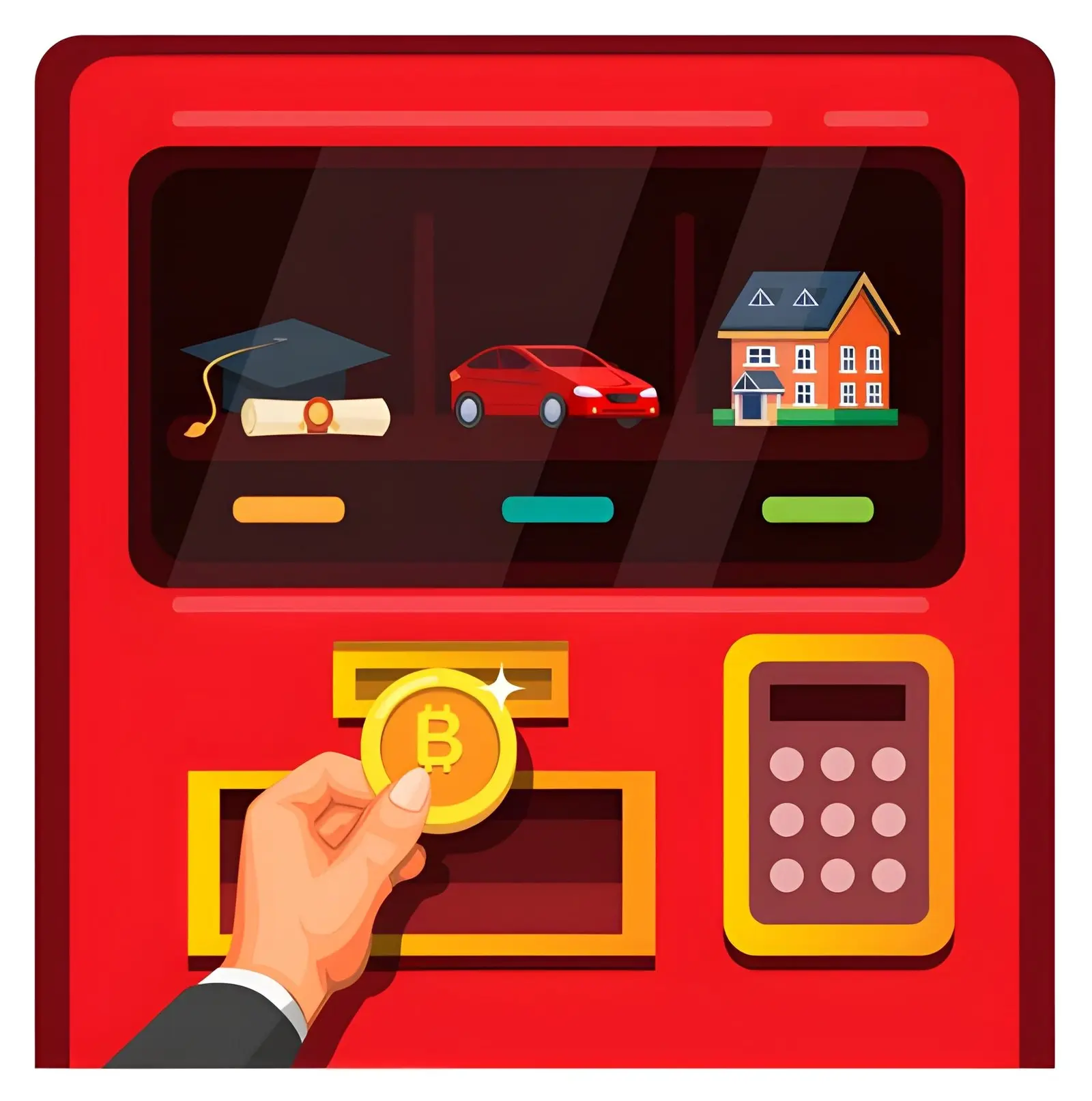
The machine looked oddly familiar.
It had a touchscreen. A cash slot. Even the reassuring shape of the ATM you’ve probably used a hundred times before. Then you noticed the logo.
Bitcoin.
For a second, your brain does that little double-take. Wait… you can actually buy or sell crypto here?
You can. And that’s exactly why Bitcoin ATMs have become one of the most recognizable bridges between traditional money and digital assets. They take something that once required exchange accounts, trading interfaces, and more tabs than anyone should have open at once, and package it into an experience that feels surprisingly familiar.
Simple doesn’t mean simplistic, though.
Knowing how these machines work before you tap the screen can make the difference between a smooth transaction and an expensive lesson.
It’s Called an ATM… But That’s Where the Similarities End
At first glance, a Bitcoin ATM looks like the one sitting outside your bank.
That’s about where the comparison stops.
A traditional ATM connects directly to your bank account, letting you withdraw or deposit cash. A Bitcoin ATM connects users to cryptocurrency services instead, allowing them to buy digital assets with cash or other supported payment methods. Many locations also allow users to sell cryptocurrency and receive cash in return.
Think of it less as a banking machine and more as a translator.
One language is cash.
The other just happens to live on the blockchain.
What Actually Happens During a Transaction?
The experience is designed to feel straightforward, but there’s quite a bit happening behind the scenes.
Most Bitcoin ATM transactions begin with identity verification. Depending on the amount involved, that could mean entering a mobile number, scanning a government-issued ID, or completing additional verification steps. These requirements exist to help prevent fraud and comply with financial regulations.
Next comes the wallet.
You’ll either scan the QR code for your existing cryptocurrency wallet or create one if you’re new to digital assets. Once you’ve confirmed the transaction details, the machine processes the exchange while blockchain networks verify the transfer in the background.
You see a progress screen.
The technology is doing considerably more than it lets on.
Why People Keep Choosing Bitcoin ATMs
Convenience gets most of the attention, and deservedly so.
Not everyone wants to create an online exchange account, connect a bank, navigate trading charts, and wait for transfers to settle. Sometimes people simply want a straightforward way to interact with cryptocurrency without feeling like they’re studying for an exam.
There’s also something reassuring about a physical machine.
Maybe it’s habit. Maybe it’s psychology. Either way, standing in front of a kiosk often feels more tangible than trusting another browser window with your financial information.
Funny how familiarity still matters, even in digital finance.
Slow Down Before You Press Confirm
Here’s where enthusiasm should make room for caution.
Every Bitcoin ATM operates a little differently. Transaction fees, supported cryptocurrencies, purchase limits, and verification requirements can vary depending on the operator and location. Spending a minute reviewing those details beforehand can prevent unnecessary surprises later.
And then there’s the wallet address.
Blockchain transactions are generally irreversible. If you accidentally send cryptocurrency to the wrong destination, there’s rarely a customer service button that can undo it. That’s why experienced users almost always double-check every character before confirming a transfer.
Paranoid?
Maybe.
Smart?
Absolutely.
When Digital Assets Become Physical Cash
One of the most practical features of many Bitcoin ATMs is the ability to move in the opposite direction, from cryptocurrency back to cash.
If you’re researching how coins to cash transactions work, it’s worth understanding the withdrawal process before arriving at the machine. Identity verification, transaction timing, supported assets, and service fees can all influence the experience. Knowing what to expect removes much of the uncertainty, especially for first-time users.
Preparation isn’t exciting.
It is incredibly useful.
The Real Story Isn’t the Machine
People often talk about cryptocurrency as if it’s still locked inside apps, wallets, and investment portfolios.
A Bitcoin ATM quietly challenges that idea.
It gives digital assets a physical presence in everyday places, shopping centers, grocery stores, convenience stores, and makes interacting with crypto feel less like entering a new world and more like using another financial tool.
That’s probably the most interesting part.
The future of money may not arrive with dramatic fanfare or flashing lights. It may simply appear in the corner of a store you’ve visited for years, waiting patiently for someone curious enough to walk over and press “Start.”