
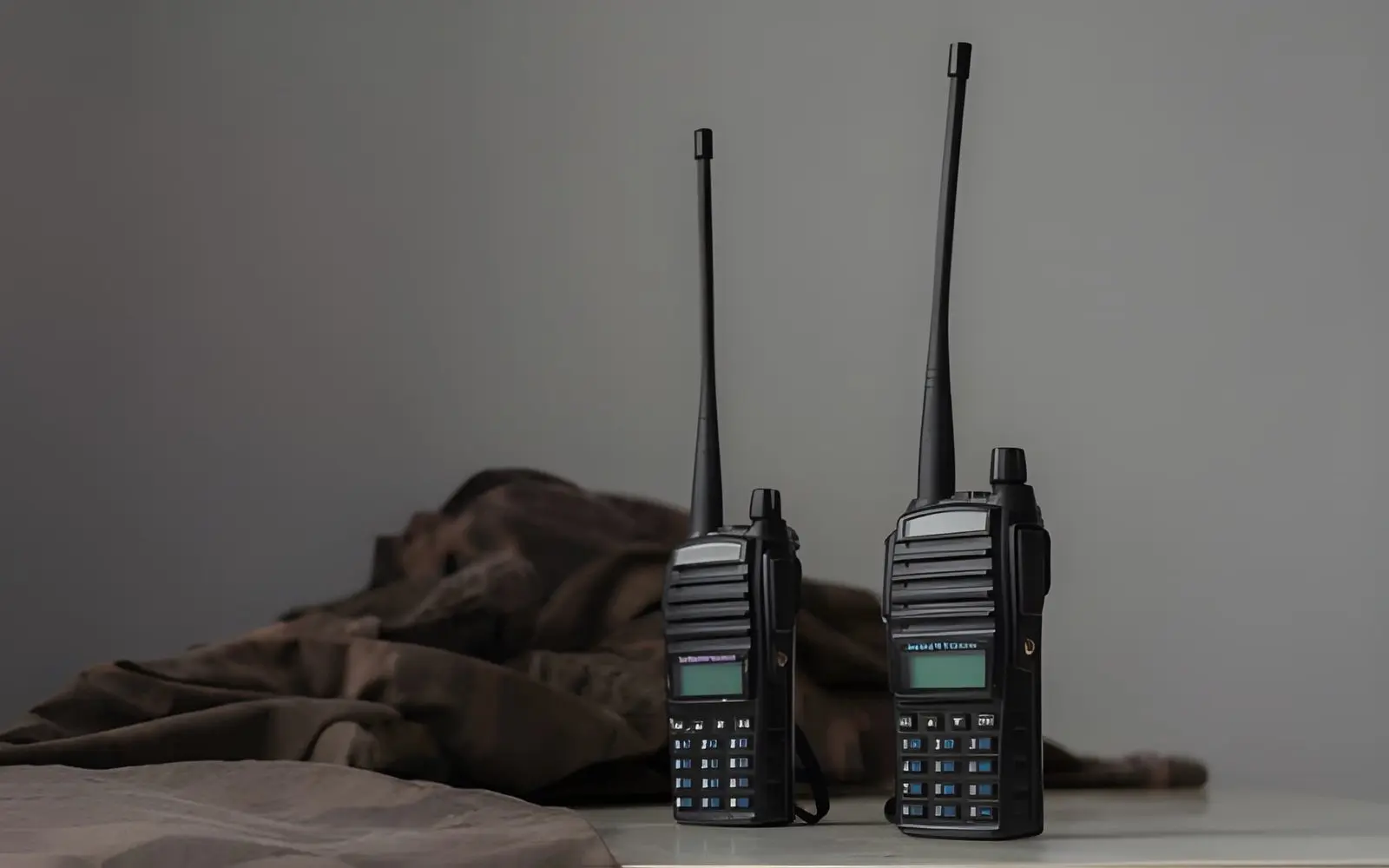
The box promised a 40-mile range.
It sounded impressive, right up until the first camping trip, when the radios barely reached the other side of the lake. Suddenly, the “great deal” didn’t feel so great.
It’s a common story. Buying a two way radio seems straightforward until you realize there’s more to it than picking the model with the biggest number on the packaging. Between range claims, frequency options, battery types, and feature lists, it’s surprisingly easy to end up with equipment that doesn’t fit your needs.
The good news? Most buying mistakes are completely avoidable.
Mistake #1: Believing the Maximum Range Claim
Manufacturers often advertise the longest possible communication distance, but those figures are measured under nearly perfect conditions.
Picture two people standing on separate mountain peaks with nothing between them.
Now compare that with a crowded campground, an office building, or a neighborhood filled with houses and trees.
Reality tends to win.
Actual performance depends on terrain, buildings, weather, antenna quality, and radio power. Rather than chasing the highest advertised mileage, think about where you’ll actually be using your two way radio instead of relying solely on marketing claims.
Mistake #2: Buying More Power Than You’ll Ever Need
Bigger isn’t always better.
Many shoppers assume the most powerful radio automatically makes the smartest purchase. Sometimes it does, but often it simply means paying for capabilities you’ll rarely use.
If your primary activities include family vacations, hiking, neighborhood events, or road trips, a standard consumer radio may be more than enough. On the other hand, construction crews, security teams, or emergency preparedness groups often benefit from higher-powered systems.
The goal isn’t buying the biggest radio.
It’s buying the right one.
Mistake #3: Ignoring Battery Performance
Nobody thinks much about batteries until they’re staring at a silent radio halfway through the day.
Battery life varies significantly between models. Some radios rely on disposable AA batteries, while others use rechargeable lithium-ion packs that provide longer operating times and quicker charging.
Think about how you’ll use the radio. Occasional weekend adventures have different requirements than daily professional use or emergency preparedness.
Reliable communication starts with reliable power.
Mistake #4: Overlooking Compatibility
Here’s a frustrating scenario.
You buy a new radio, your friends already own different models, and then you discover they can’t communicate with each other.
Not every radio operates on the same frequencies or supports the same services. Before making a purchase, verify that your new equipment is compatible with the radios you’ll actually be using.
A feature-packed device isn’t particularly useful if it can’t talk to anyone else.
Mistake #5: Paying for Features You’ll Never Touch
Scrolling through specifications can feel like shopping for a new smartphone.
GPS. Bluetooth. Weather alerts. Emergency alarms. Programmable buttons. Repeater capability.
Some of these features are genuinely valuable. Others sound impressive but rarely get used.
Ask yourself a simple question: Will this feature make my communication easier?
If the answer is no, there’s little reason to pay extra for it.
Mistake #6: Forgetting About Comfort and Durability
You’ll probably spend more time holding your radio than looking at its specifications.
Weight, button placement, display visibility, and overall build quality matter more than many buyers expect. If you’re outdoors frequently, consider water resistance, dust protection, and impact durability.
After all, a radio designed for rugged environments should be able to survive being dropped once or twice. Because eventually… it probably will.
Mistake #7: Shopping by Price Alone
Everyone loves saving money.
But choosing the cheapest option without considering quality often leads to disappointment. Radios with poor audio clarity, weak construction, or unreliable batteries can end up costing more when replacements become necessary.
Instead of focusing only on price, consider the overall value. A dependable two way radio should provide clear communication, dependable battery life, and durability that matches how you plan to use it.
Sometimes spending a little more upfront saves a lot of frustration later.
A Better Way to Choose
The best radio isn’t necessarily the one with the longest range, the biggest battery, or the most features.
It’s the one that performs consistently in the environments where you actually need it.
Start by thinking about your typical activities. Will you be hiking? Managing an event? Working on a jobsite? Preparing for emergencies? Once you answer that question, narrowing your options becomes much easier.
A little research now can prevent a lot of buyer’s remorse later.
Final Thoughts
Buying a two-way radio shouldn’t feel overwhelming, but it’s worth looking beyond flashy marketing claims.
Understand your environment. Prioritize compatibility. Choose practical features instead of gimmicks. And don’t overlook the basics like battery life and durability.
Avoid these common mistakes, and you’ll end up with a radio that’s ready when you need it most, not one that leaves you wondering why the signal disappeared just when the conversation was getting important.
Also Read