
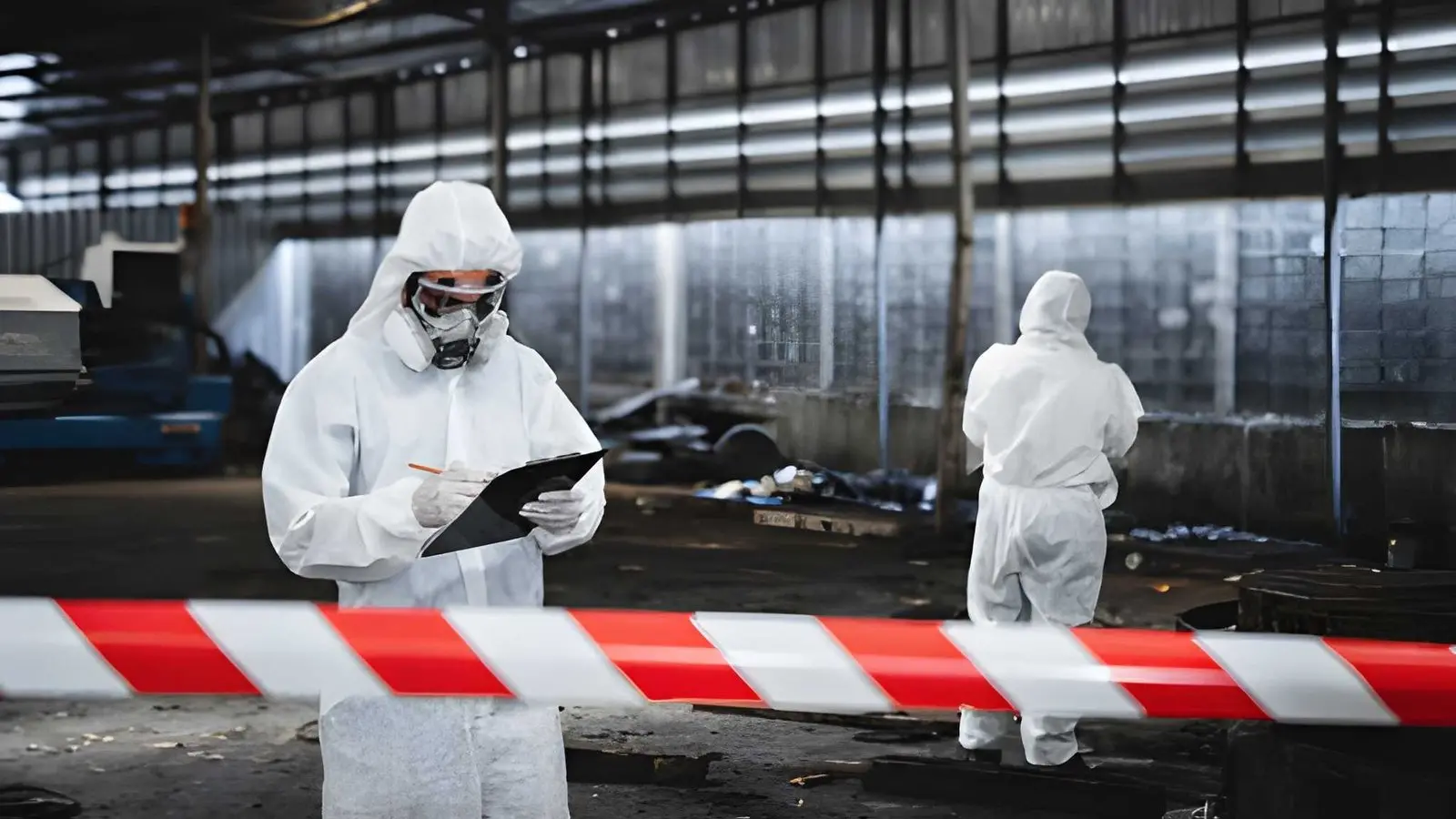
Industrial sites often carry a long history of renovations, machinery upgrades, and structural changes. If your facility was built before asbestos was phased out, there’s a good chance some materials still contain it. That doesn’t always mean immediate danger, but it does mean you should approach any maintenance, demolition, or refurbishment work with care.
Understanding what happens during an industrial asbestos removal project can help you prepare your team, reduce downtime, and make informed decisions before work begins.
Why Industrial Sites Need a Different Approach
Industrial environments are much more complex than residential or small commercial properties. Large warehouses, manufacturing plants, processing facilities, and storage buildings often contain asbestos in several different locations.
Common examples include:
- Roofing and wall cladding
- Pipe lagging and insulation
- Fireproof panels
- Gaskets and seals
- Floor coverings
- Electrical switchboards
Because these materials may be spread across a large site, removal requires careful planning instead of a one-size-fits-all solution.
The Process Starts With a Thorough Assessment
Before any removal work begins, specialists inspect the property to determine:
- Where asbestos-containing materials are located
- Whether the materials are damaged or stable
- The type of asbestos involved
- The safest removal strategy
This assessment also helps identify areas that require restricted access and determines whether business operations can continue in unaffected sections of the facility.
Skipping this step can create unnecessary risks, especially if hidden asbestos is disturbed during construction work.
Planning Around Business Operations
One concern many facility managers have is operational disruption.
Fortunately, experienced contractors often develop staged removal plans that allow parts of a site to remain operational while hazardous areas are isolated. The exact approach depends on the building layout, the condition of the asbestos, and the type of work being carried out. Licensed contractors also follow strict safety procedures for containment, removal, waste transport, and disposal in accordance with Australian regulations.
Good communication between contractors and site managers is just as important as the technical work itself.
Safety Measures You’ll See on Site
Industrial asbestos removal isn’t simply about taking materials away.
You’ll usually notice several protective measures put in place, including:
Restricted Access Zones
Only authorised personnel can enter designated work areas.
Dust Suppression
Special methods are used to minimise airborne fibres while materials are removed.
Personal Protective Equipment
Workers wear protective clothing and respiratory equipment appropriate for the job.
Waste Containment
Removed asbestos is carefully sealed, labelled, transported, and disposed of at approved facilities.
These procedures are designed to protect workers, nearby businesses, and the surrounding environment.
Why Experience Matters
Industrial properties rarely follow identical layouts.
One factory may contain asbestos cement roofing, while another has insulation around aging machinery or underground services. Every project presents different challenges that require careful planning and technical knowledge.
Working with experienced industrial asbestos removal specialists helps ensure the project is completed safely, efficiently, and in line with regulatory requirements. Their expertise often extends beyond removal to include planning, demolition support, remediation, and safe waste disposal.
Preparing Your Site Before Removal Begins
You can help the project run smoothly by preparing in advance.
Some practical steps include:
Inform Your Staff
Let employees know when work will take place and which areas will be temporarily inaccessible.
Secure Important Equipment
Sensitive machinery, documents, and inventory should be relocated if they’re near the work zone.
Review Access Routes
Removal teams may require dedicated entry and exit points for equipment and waste transport.
Coordinate Other Contractors
If renovations or demolition are scheduled, ensure all parties understand the removal timeline before additional work begins.
A little preparation often prevents unnecessary delays later.
Compliance Is More Than Paperwork
Industrial asbestos removal isn’t only about protecting health. It also helps businesses meet legal responsibilities.
Failure to properly identify and manage asbestos can result in project delays, regulatory issues, unexpected costs, and increased liability if workers or contractors are exposed.
Having qualified professionals handle the process gives property owners confidence that the work has been completed according to recognised safety standards and environmental requirements.
After the Removal Is Complete
Once asbestos has been removed, the project doesn’t simply end.
The final stage may include:
- Site cleaning
- Visual inspections
- Clearance procedures where required
- Safe disposal documentation
- Recommendations for future site management
These final checks help confirm that the affected area is ready for the next phase of construction, refurbishment, or continued operation.
Industrial facilities often represent significant investments. Taking the time to manage asbestos properly protects your workforce, supports regulatory compliance, and allows future projects to move forward with greater confidence.
Also Read-When It’s Actually Worth Installing Outdoor Blinds and Shutters