
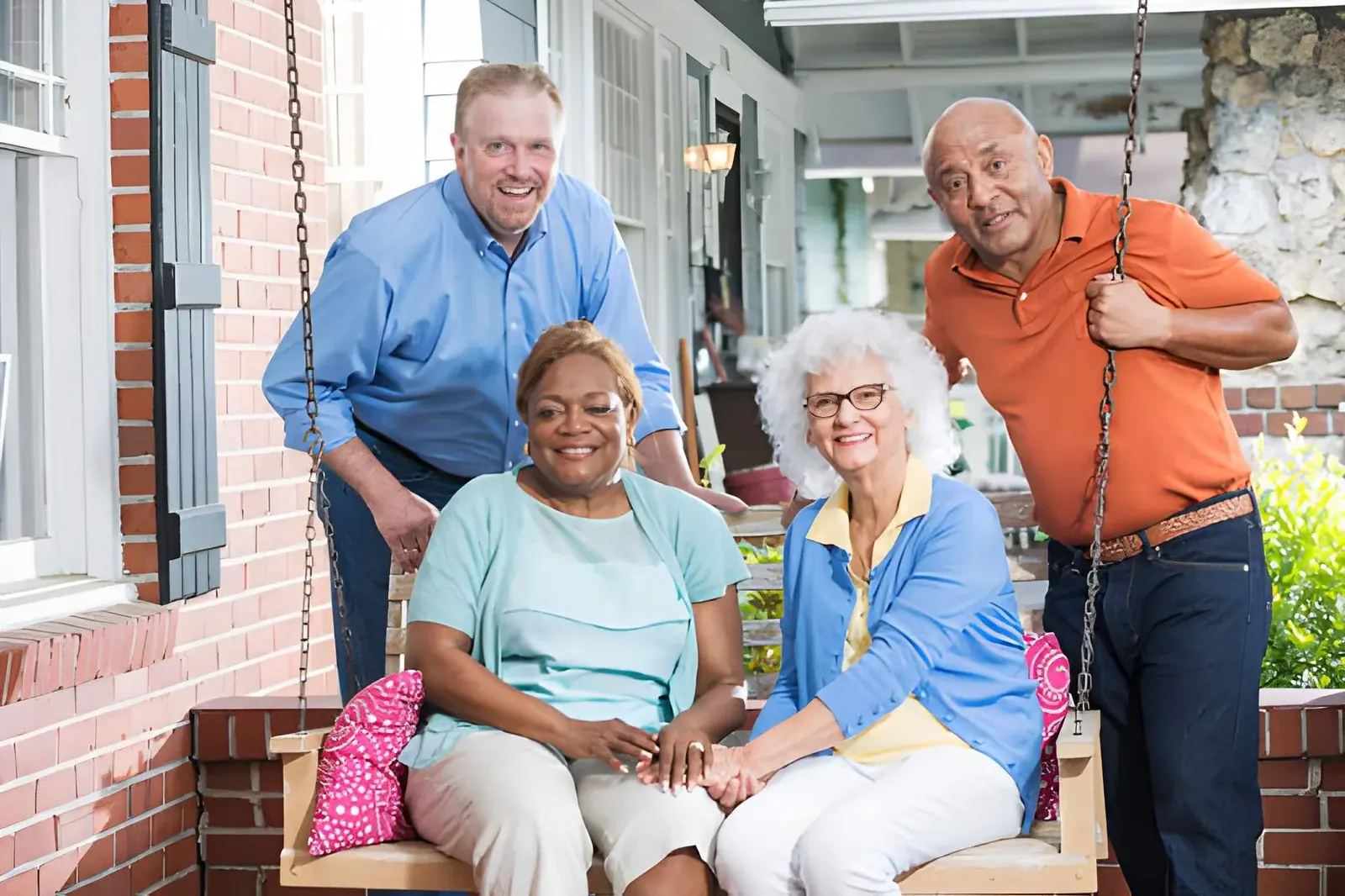
Independent living does not always mean doing every task alone. For many older adults in Charleston, the better goal is to remain at home while receiving practical support with the parts of daily life that have become tiring, unsafe, or difficult to manage consistently.
That distinction can make a major difference for families. A parent may still handle personal decisions, enjoy familiar routines, and participate in community life, yet need help with meals, errands, medication reminders, or household upkeep. The right support protects independence without requiring a sudden move into a more restrictive setting.
The Daily Challenges That Can Add Up
A single unfinished chore may not seem serious. Over time, however, small difficulties can create larger risks.
An older adult who struggles to prepare meals may begin skipping lunch. Someone who finds grocery shopping difficult may wait too long to refill essential items. A person who forgets a medication occasionally may develop a more serious health concern. Even light housekeeping can become hazardous when bending, lifting, or navigating clutter is difficult.
Charleston’s seasonal conditions can add another layer of concern. Hot, humid summers may make errands and outdoor activities more exhausting, while hurricane preparation can place extra demands on people who live alone or have limited mobility. During these periods, dependable assistance can help residents stay safer without abandoning the homes and neighborhoods they know.
Support from home care services may include personal care, companion support, light housekeeping, meal assistance, medication reminders, and errands. The value is not limited to completing tasks. Consistent help can preserve routines, reduce stress, and give family members greater confidence that everyday needs are being addressed.
Matching Support to the Person’s Actual Needs
The most useful care plan is rarely the one with the most features. It is the one that fits the individual’s current abilities and changes as those abilities change.
Start with the tasks that create the most risk
Families can begin by identifying what has become unreliable rather than listing every possible concern. Ask practical questions:
- Is bathing or dressing becoming unsafe?
- Are meals being skipped or replaced with unhealthy convenience foods?
- Are prescriptions being forgotten or taken incorrectly?
- Is the home becoming harder to keep clean?
- Has the person stopped attending appointments, church, social events, or favorite activities?
These answers help separate occasional assistance from regular support. Someone who needs help twice a week with errands may require a different schedule from someone who needs daily personal care.
Protect dignity through shared decisions
Older adults are more likely to accept assistance when they remain involved in deciding how that assistance works. Instead of presenting care as something being imposed, families can frame it around specific goals: staying in the current home, continuing to attend a weekly activity, or avoiding preventable falls.
A caregiver might help with a shower while allowing the individual to choose the time, clothing, and routine. Another person may only need help preparing breakfast and organizing the day. Respectful care supports capability rather than treating age as a reason to take over.
Why Consistency Matters to Charleston Families
A dependable schedule can be just as important as the task itself. When the same caregiver or care team understands a person’s preferences, routines, and warning signs, changes are easier to notice.
For families who live outside Charleston, this consistency can reduce the pressure of managing every detail remotely. A regular caregiver may notice that groceries are running low, a normally social client is withdrawing, or a household task has become unsafe. Early awareness gives relatives more time to respond before a minor issue becomes an emergency.
Care can also benefit the wider household. Adult children may be balancing jobs, childcare, and long-distance travel. A practical arrangement can replace rushed visits focused only on chores with more meaningful time spent together.
The goal is not to remove responsibility from the individual. It is to make independent living sustainable by adding the right support at the right time. In Charleston, that may mean a few hours of assistance each week, expanded help during recovery, or a more consistent daily routine as needs evolve.
Also Read