
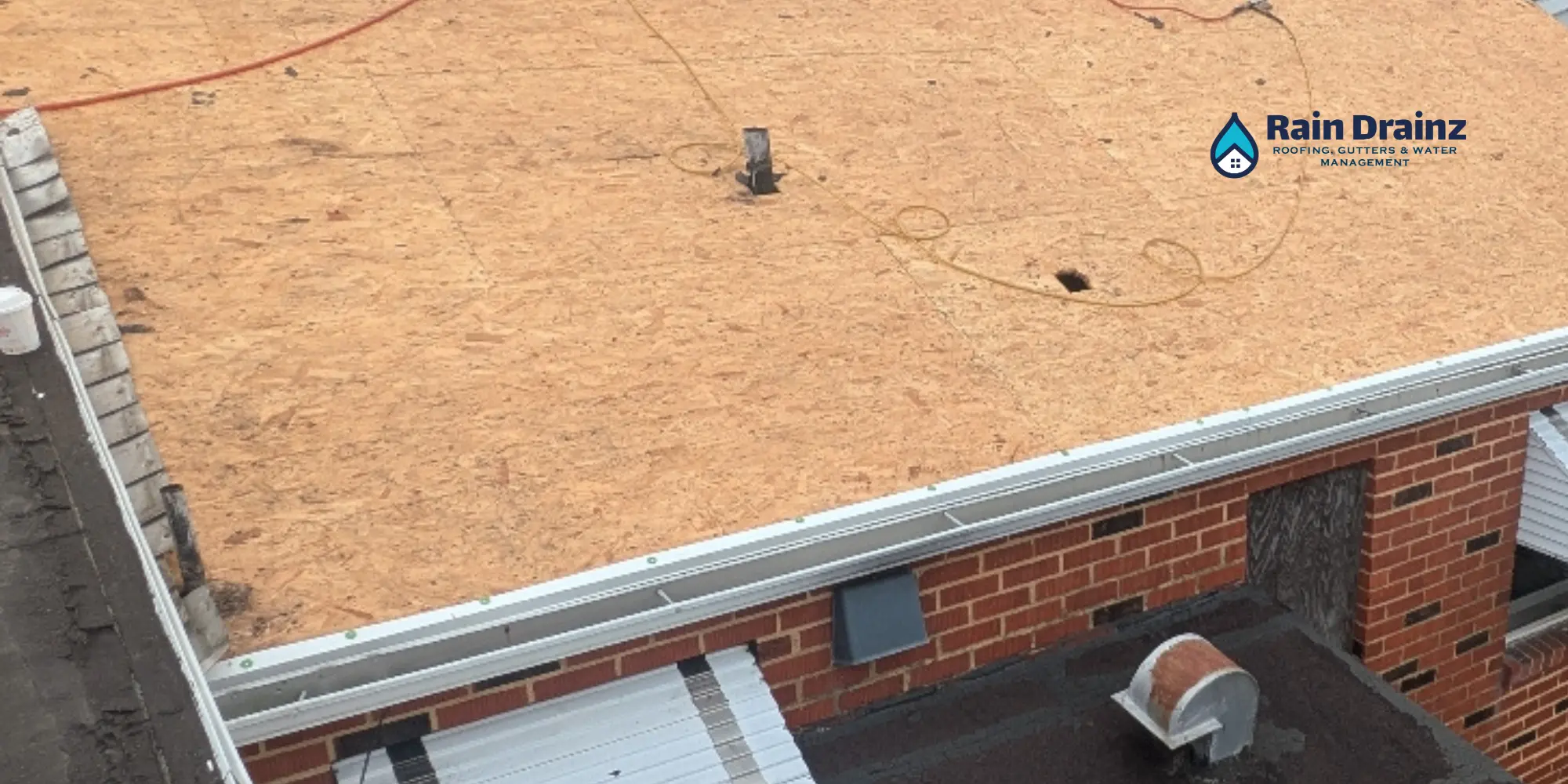
A residential roof is one of the most important protective systems of a home.
It shields the interior from rain, wind, moisture, and changing weather while helping protect insulation, ceilings, walls, and structural components.
Yet many homeowners do not think seriously about their roof until a leak appears or storm damage becomes obvious.
For homeowners considering roof replacement in Wilmington, determining the right time to act can be challenging.
Understanding the warning signs, cost factors, materials, and importance of professional inspections can help homeowners make a more informed decision.
Indicators That Your Roof Needs Replacing
Several symptoms can indicate that a roofing system is approaching the end of its useful life.
Frequent leaks are one of the most obvious warning signs.
While an isolated leak may sometimes be repaired, recurring water intrusion can suggest deteriorated roofing materials, flashing problems, or underlying damage.
Curling, cracked, or missing shingles should also receive attention.
Shingles that have deteriorated may no longer provide dependable protection against precipitation and wind.
Granules collecting in gutters can be another indication of aging asphalt shingles.
As shingles lose their protective granules, their ability to withstand weather exposure can decline.
Sagging areas deserve immediate professional evaluation because they may indicate moisture intrusion or compromised structural components.
Finally, age matters. Roofing lifespan varies according to material, installation quality, ventilation, maintenance, and weather exposure.
An older roof with several additional warning signs may be a stronger candidate for replacement than a newer roof with one isolated defect.
Roof Repair or Full Replacement?
A localized issue may be appropriate for repair when the surrounding materials remain in good condition and the roof still has substantial service life remaining.
Replacement becomes more reasonable when damage is widespread, deterioration is advanced, or repairs have become increasingly frequent.
Continually paying for temporary fixes can eventually become less practical than investing in a new roofing system.
The decision should therefore be based on the overall condition of the roof rather than the cost of addressing one visible problem.
A professional roof inspection can help determine whether the issue is localized or part of a larger pattern of deterioration.
What Determines Roof Replacement Cost?
Roofing costs can differ substantially from one property to another. Homeowners should consider several factors when evaluating estimates.
These can include:
- Roof size and architectural complexity
- Roofing material selected
- Removal and disposal of existing materials
- Condition of the underlying roof decking
- Flashing and ventilation requirements
- Labor and installation complexity
- Property accessibility
- Extent of storm or moisture damage
Homeowners should compare the scope of work, materials, warranties, installation practices, and potential additional costs before selecting a contractor.
A detailed written proposal makes it easier to understand exactly what is being recommended and why.
Selecting the Right Roofing Materials
Roofing materials influence appearance, longevity, maintenance requirements, and overall investment.
Asphalt shingles remain a popular choice for residential properties because they provide a practical combination of affordability, appearance, and performance.
Depending on the home’s design and homeowner priorities, other roofing materials may also be worth considering.
A knowledgeable roofing professional can evaluate the property’s design, existing system, budget, and long-term objectives before recommending suitable choices.
Proper installation is equally important.
Even high-quality roofing materials can perform poorly when ventilation, flashing, underlayment, or installation details are overlooked.
Why Storm Damage Should Be Evaluated Quickly
Severe weather can affect roofing systems in ways that are not always visible from ground level.
Strong winds can lift or loosen shingles, while heavy rain can expose weaknesses around flashing, penetrations, and other vulnerable areas.
After a significant storm, a professional inspection can identify potential problems before they develop into larger water intrusion issues.
Early detection may allow homeowners to address localized damage rather than waiting until moisture reaches insulation, ceilings, walls, or structural components.
Storm-related roofing concerns should therefore be evaluated promptly, especially when homeowners notice missing materials, visible debris, leaks, or unusual marks on the roof.
Choosing a Qualified Roofing Contractor
Selecting the right contractor is an important part of protecting the investment in a new roof.
Homeowners should look for a contractor with relevant local experience, appropriate insurance, clear written estimates, and a professional reputation.
The contractor should also be willing to explain the recommended work rather than simply presenting a price.
Important questions can include:
- What condition is the existing roof in?
- Is replacement actually necessary?
- What materials are being recommended?
- What does the warranty cover?
- Will damaged decking or flashing be addressed?
- How will ventilation be handled?
- What is included in cleanup and disposal?
Clear answers can help homeowners understand both the immediate project and the long-term expectations.
Protecting the Home Starts With the Roof
A well-maintained roof is essential for protecting a home from moisture, wind, and storm damage.
Warning signs such as leaks, aging shingles, sagging, or storm damage should be evaluated before minor issues become costly repairs.
Schedule a professional roof inspection with Rain Drainz today and get a clear plan to protect the home for years to come.
FAQs About Roof Replacement in Wilmington
1. How can homeowners tell whether they need repair or replacement?
Roof age, extent of damage, material condition, previous repairs, and potential underlying problems should all be considered.
2. What factors should homeowners consider before replacing a roof?
Homeowners should consider the roof’s current condition, extent of damage, age, material options, ventilation, estimated costs, and expected long-term performance.
A professional inspection can help determine which factors matter most for the property.
3. Does storm damage always require a new roof?
No.
An inspection can determine whether the damage is isolated or extensive enough to justify a broader roofing project.
Read more : roof truss design