
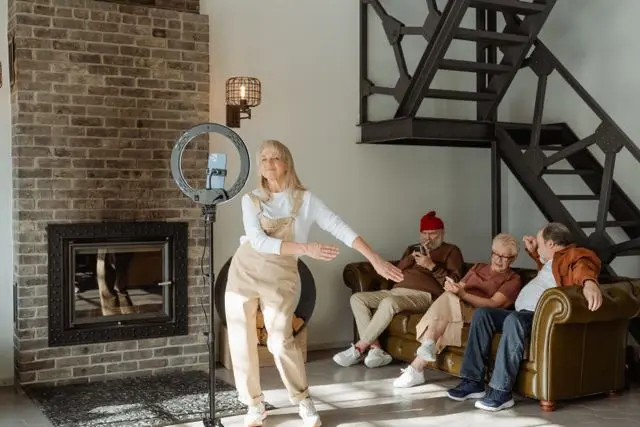
That spacious family home may feel harder to manage over time. The lawn, repairs, and unused rooms can add up quickly. Many older adults reach that crossroads and begin looking for a setting built around connection, comfort, and convenience, while still supporting independence. Senior living communities offer a way to reduce daily upkeep and make more time for the people, interests, and routines that matter most. For active older adults who want engagement without the constant demands of homeownership, independent living has become an increasingly popular housing choice.
Understanding Independent Living Communities
These are residential settings built for older adults who live independently and want fewer household responsibilities. Residents have their own apartments or homes within a larger senior living community, making daily choices on their own terms while enjoying convenient services nearby. Fitness spaces, libraries, restaurants, scheduled transportation, and planned social events are common offerings. The model is not about giving up control. It is about reducing the chores that take time and energy while keeping the freedom, privacy, and dignity that matter.
The Appeal of Social Connection and Community
Isolation can affect older adults in meaningful ways. For those living alone, it can be one of the more serious health and wellness challenges they face, and a traditional house may not offer many built-in opportunities for connection. Independent living communities help address this by offering regular programs, fitness classes, game nights, lectures, and group outings. A resident might start the day with yoga, join a cooking class in the afternoon, and attend a book club in the evening. That steady rhythm of choice and connection often becomes one of the most valued parts of community life.
Financial Flexibility and Predictable Costs
Owning a home on a fixed retirement income can bring unexpected costs. A roof repair, burst pipe, or foundation issue can arrive without warning and cost thousands. Independent living communities can make expenses easier to plan for by combining housing, utilities, maintenance, and many amenities into one monthly fee. The monthly cost is important to review, but predictable pricing can bring peace of mind for people who have dealt with surprise repairs before. Some communities also offer flexible payment options that better reflect retirement budgets and personal financial goals.
Simplified Lifestyle and Reduced Maintenance Responsibilities
Keeping up a house can become harder with age, both physically and mentally. Lawn care, repairs, cleaning, and property management take time and energy that many retirees would rather spend with family, on travel, or on personal interests. Independent living communities help ease those responsibilities. Team members may support housekeeping, landscaping, building maintenance, and emergency repairs, depending on the community. This can be especially helpful for residents who have managed a home on their own for years. With fewer daily tasks, residents can focus on how they want to spend their time.
Access to Professional Services and Safety Features
Living alone can bring practical challenges. Arranging reliable transportation, preparing balanced meals, and knowing someone can respond quickly in an emergency are not always easy to manage from a private home. Independent living communities help with these needs through dining options, transportation to appointments and errands, wellness check-ins, and prompt support when concerns arise. Many buildings also include accessible features such as grab bars, emergency call systems, fall-resistant flooring, and well-lit hallways.
For anyone concerned about changing mobility needs or the risks of aging alone, those supports can offer reassurance. Knowing help is nearby can make it easier for residents to move through their days with confidence. That confidence can support a more independent lifestyle while still honoring personal choice and privacy.
Active Lifestyle Opportunities
Many older adults remain active, curious, and open to new experiences. Independent living communities support that lifestyle with water aerobics, dancing, painting classes, technology workshops, gardening clubs, and other life enrichment programs for different interests and ability levels. Independent Living in Oakland, CA offers an urban setting where residents can choose programs and events while staying connected to the cultural and social amenities of the Bay Area. The community format makes it easier to try something new, meet people with shared interests, and stay engaged in ways that feel personally meaningful. Many communities also offer volunteer and intergenerational programs, giving residents more ways to contribute and stay connected.
Conclusion
Many older adults are rethinking what they want from later life. Independent living communities have grown because they help answer an important question: how can someone keep choice and independence while gaining support, safety, and connection? The appeal comes from several benefits working together, including predictable costs, fewer maintenance responsibilities, convenient services, safety-focused features, and regular opportunities to connect with others. As the older adult population continues to grow, these senior living communities offer a practical option for people who want more time, less household stress, and a daily life shaped by autonomy, dignity, and personal choice.
Also Read-Gurjan Plywood Quality Check: How to Identify the Best Sheets