
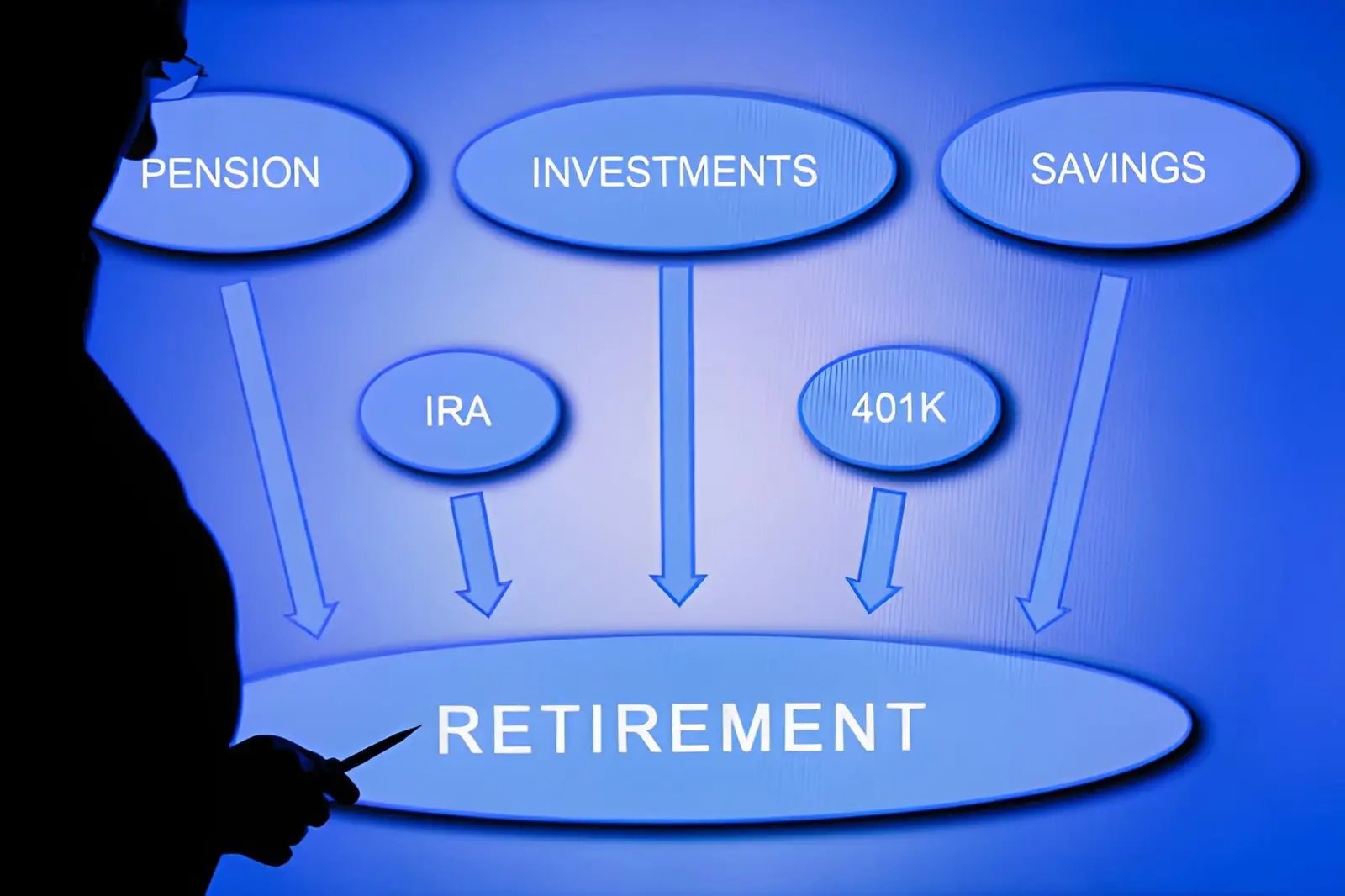
Retirement readiness isn’t built on a single decision. It’s shaped by a tangle of forces — some you control, some you don’t. Your savings habits, your career arc, your health, your portfolio… they all push and pull against each other over decades. Miss one, and the whole picture shifts. So let’s break down four factors that carry serious weight when it comes to how your retirement actually plays out.
1. Investment Performance and Market Conditions
Markets don’t care about your timeline. They rise and fall according to economic cycles, interest rate moves, inflation pressure, and global disruptions — none of which you can predict with any reliability. When conditions are favorable, your portfolio compounds faster. Sometimes dramatically so. But downturns hit hard too, occasionally forcing a rethink of when you can actually stop working, or how freely you can spend once you do.
Asset allocation matters enormously here. So does diversification — and your willingness to stomach volatility without bailing at the wrong moment. Your risk tolerance should guide which investments you hold, but that tolerance also shifts as retirement creeps closer. Reviewing your asset mix periodically isn’t optional. Rebalancing keeps your portfolio from drifting into territory that no longer fits where you are in life.
2. Income and Earnings Throughout Your Career
Everything starts with what you earn. Higher income creates more room to save, more capacity to benefit from compounding, and a larger cushion to draw from later. Promotions help. Salary growth helps. Job stability helps. Someone who sees steady income gains over forty years simply has more opportunities to build wealth than someone whose earnings plateau early — or who cycles through employment gaps.
Entry age matters too. Starting work at 22 versus 30 means eight extra years of contributions and growth. Career interruptions — planned or not — chip away at that runway. And when you leave an employer that offered a defined benefit plan, handling the transition correctly is critical. Completing a pension rollover properly preserves what you’ve accumulated and sidesteps unnecessary tax penalties that can quietly drain years of work.
3. Healthcare Costs and Longevity
Most people lowball this one. Healthcare in retirement costs more — often far more — than initial estimates suggest. Prescription medications, specialist visits, and eventually long-term care can run tens of thousands of dollars per year depending on what’s needed. And the longer you live, the longer those costs keep accumulating.
Longevity is a double-edged reality. Living well into your eighties or nineties is a gift — but your savings have to stretch that far too. Family history, lifestyle, and existing health conditions all shape that projection. Building conservative healthcare estimates into your financial plan from the start, exploring insurance options, and using health savings accounts where possible can shield your retirement security from costs that blindside people who didn’t plan for them. The math on long-term care alone is enough to reroute a retirement plan that looked solid on paper.
4. Savings Rate and Financial Discipline
Bluntly: how much you save, and how consistently, may matter more than almost anything else. A high savings rate — sustained over years — creates wealth through compounding in ways that are hard to replicate through investment returns alone. But discipline is the hard part. Competing expenses push back. Lifestyle creep is real. Debt accumulates.
Starting early is the clearest advantage available to anyone. Compound interest needs time. Delay savings by ten years and you don’t just lose a decade of contributions — you lose a decade of growth on growth. Automating contributions through employer plans or direct transfers removes the decision from the equation entirely, which is often the smartest move. Circumstances will shift. Economic conditions will shift. But a savings strategy that holds through those shifts is what separates a retirement plan from a retirement wish.
Conclusion
No single factor decides your retirement fate. Investment performance, career earnings, healthcare costs, and savings discipline all interact — reinforcing or undermining each other depending on how you manage them. Some of these you control directly. Others require adaptation when circumstances change. But understanding all four gives you a clearer map of where you stand and where you need to focus. That clarity, turned into action, is what a realistic and workable retirement plan is actually built on.