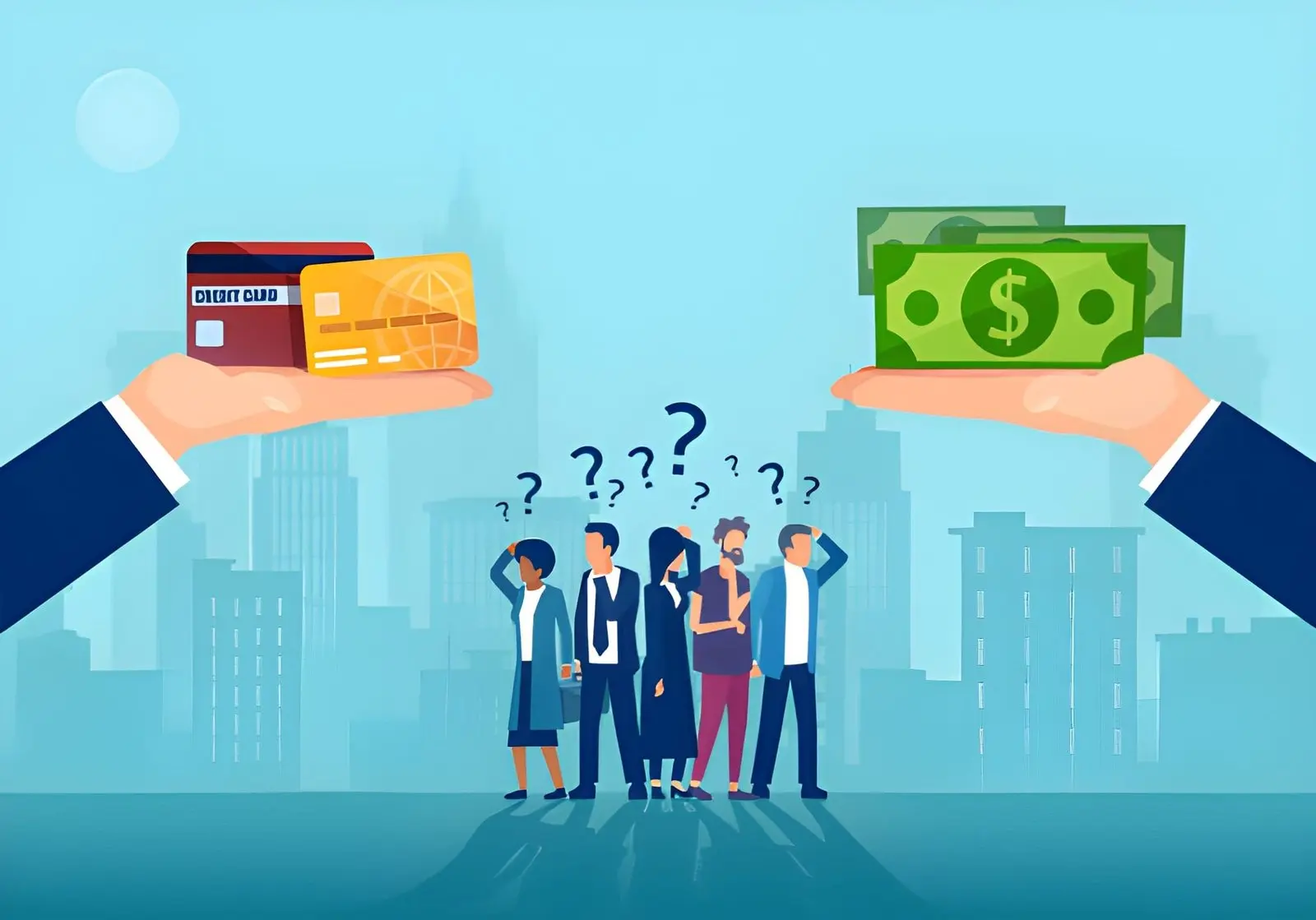

Most people think price is a number. It sits on a tag, glows on a product page, or pops up in a checkout cart right before taxes and shipping. But that number has stopped telling the whole story. What many of us are actually paying for now is relief. Relief that the package will arrive. Relief that the product will work the way it looks in the photo. Relief that if something goes wrong, someone will answer the email, honor the return, and fix the problem without turning your week into a part time job.
That is why trust has quietly become part of the price. A lower sticker price can still feel expensive if it comes with doubt, while a slightly higher price can feel reasonable when it buys peace of mind. Even money saving habits, including using Staples cashbackoffers, make the most sense when the purchase itself already feels dependable. Saving a few dollars is great, but saving yourself from hassle is often what makes a deal feel truly worth it.
This shift is not just about luxury brands or big ticket electronics. It shows up in ordinary purchases too. Printer paper, skin care, kitchen tools, school supplies, and replacement chargers all carry invisible questions. Is this authentic? Is the seller real? Will the item match the description? Will my card information be safe? Price used to answer only, “Can I afford this?” Now it also has to answer, “Can I trust this?”
Why Cheap Can Feel Expensive
We have all had the experience of buying the cheaper option and then paying for it later in time, stress, or disappointment. Maybe the package arrived late. Maybe the item looked nothing like the listing. Maybe returning it involved printing labels, repacking boxes, waiting for refunds, and following up twice. In those moments, the “deal” starts to look different.
Consumers have learned this lesson enough times that many now treat trust like a built in feature. It sits alongside quality, convenience, and speed. A trusted seller reduces the chance of getting stuck with a counterfeit product, misleading reviews, or a vanishing customer service team. Consumer Reports has repeatedly warned shoppers to be cautious with online reviews and unfamiliar vendors because fake reviews, scams, and weak seller accountability can make bargain hunting riskier than it seems. Consumer guidance on spotting fake online reviews helps show why confidence in a seller now carries real value.
That is the part many businesses still underestimate. They think people are paying extra for branding alone. Sometimes that is true. But often people are paying extra to avoid the chance that a simple purchase turns into a problem. A trusted brand is not only selling a product. It is selling fewer unpleasant surprises.
Trust Saves More Than Money
There is a practical side to this that gets overlooked. Trust saves decision energy. When shoppers believe a retailer is consistent, transparent, and reachable, they spend less time comparing every tiny detail. They do not need to investigate whether reviews are fake, whether sizing charts are nonsense, or whether the refund policy is buried in fine print.
That reduced mental load matters. Modern shopping is full of friction disguised as choice. Endless listings, sponsored placements, duplicate products, mysterious sellers, and polished storefronts can make buying feel more like detective work than convenience. In that environment, trust acts like a shortcut. It helps people move forward without feeling reckless.
It also changes how shoppers define value. Value is no longer just getting the most stuff for the least money. It is getting something reliable with the smallest chance of regret. That is why a trusted seller can often charge more and still win. The customer is not overpaying. The customer is choosing a smoother path.
The New Premium Is Predictability
A lot of brands talk about quality, but predictability might be the stronger selling point. People want to know what will happen next. They want accurate descriptions, clear shipping windows, honest inventory, and return policies that sound like they were written by humans instead of lawyers.
This is where trust becomes measurable in everyday behavior. Shoppers reorder from places that made things easy the first time. They bookmark stores that communicate well. They stay loyal to brands that admit mistakes quickly and fix them cleanly. The price premium is not always dramatic, but it is real. Businesses that remove uncertainty create something people will pay to keep.
Even public watchdogs frame online buying risk in similar terms. The Better Business Bureau warns shoppers about fake storefronts, suspicious payment requests, and scam tactics that use urgency and low prices to push people into fast decisions. Their online purchase scam guidance quiz underlines the same point: low prices lose their appeal when confidence disappears.
Why This Matters More Now Than Before
Trust has always mattered, of course, but the stakes feel higher now because shopping has become less personal and more layered. Many people are not buying directly from a single store anymore. They are buying through platforms, from third party sellers, through recommendation algorithms, after reading reviews written by strangers, some real and some not. That creates distance between buyer and seller, and distance increases uncertainty.
At the same time, people are busier and less patient with friction. A bad purchase is no longer just annoying. It competes with work, family, errands, and mental bandwidth. So when a retailer proves dependable, it offers something bigger than convenience. It offers emotional ease.
That helps explain why some shoppers seem perfectly happy to skip the absolute lowest price. They are not being careless. They are doing a different kind of math. They are including the odds of frustration, the cost of returns, the chance of disappointment, and the value of not having to worry.
What Smart Shoppers Are Really Buying
Seen this way, trust is not abstract. It is economic. It changes conversion rates, repeat purchases, and brand loyalty. It influences whether customers hesitate or click buy now. It also shapes how people talk about value with friends. Rarely does someone rave about saving three dollars if the experience was terrible. But they will absolutely recommend a seller that made everything simple.
For shoppers, the takeaway is not to ignore price. It is to read price more honestly. The best deal is not always the lowest number. It is the offer with the strongest balance of cost, credibility, and convenience. For businesses, the message is even clearer. Trust is no longer just part of reputation. It is part of the product.
And once trust becomes part of the product, it becomes part of the price. People are willing to pay for confidence because confidence protects them from risk. In a marketplace full of noise, imitations, and uncertainty, that protection is not fluff. It is value.
Also Read-LMO Meaning: Full Guide in Text, Chat, and Real Life (2026)