
Key Takeaways:
- 316/316L stainless steel offers exceptional corrosion resistance and mechanical properties, making it ideal for diverse industrial sectors.
- Recent progress in material technology is introducing lower-cost alternatives and enabling new uses such as additive manufacturing.
- Familiarity with the properties and uses of 316/316L stainless steel helps manufacturers choose the right material for each application.
Material selection is critical to manufacturing, as the right choice influences product longevity, reliability, and economic value. In this arena, 316 and 316L stainless steels excel due to their unique combination of corrosion resistance and mechanical strength. These alloys stand as the benchmark for demanding applications, making them essential to manufacturers across numerous industries. For specialized applications where precision and finish are paramount, Specialtysteel.com offers solutions in turned, ground, and polished 316/316L stainless steel products that meet strict industry requirements.
The versatility of these steels lies in their underlying chemistry. With the addition of molybdenum and lower carbon in 316L, these materials are exceptionally adept at withstanding both mechanical stresses and chemical attack. As production techniques advance and markets demand greater efficiency, 316/316L stainless steel continues to evolve, offering novel solutions for modern engineering challenges.
Properties and Benefits of 316/316L Stainless Steel
316 and 316L stainless steels achieve their impressive corrosion resistance thanks to alloying elements such as chromium, nickel, and molybdenum. Molybdenum enhances the material’s ability to resist pitting and crevice corrosion, particularly important in saline or chloride-rich environments. The low carbon content of 316L prevents carbide precipitation during welding, ensuring the welded zones retain their corrosion-resistant character and reducing the risk of intergranular corrosion.
These alloys also offer strong mechanical properties, such as high tensile strength and durability, even at elevated temperatures. Their formability and weldability make them easy to work with during manufacturing, lowering costs and broadening their scope of application. Industries such as pharmaceuticals, food processing, and marine rely on these properties for equipment, valves, fittings, and more.
Recently, the landscape of stainless steel production has witnessed the introduction of new, cost-effective grades that match or outperform traditional 316/316L steels. Aperam’s Grade 316A is one notable example. Developed by Aperam’s Innovation Lab, this alloy replicates the corrosion resistance and mechanical performance of 316L using more than 75% less molybdenum, producing significant cost savings without performance sacrifice.
Advancements in Manufacturing and Additive Processes
The rise of additive manufacturing has greatly enhanced the utility of 316L stainless steel, particularly in areas where complex geometries and small-batch custom parts are required. 3DEO, a leading manufacturer in this field, has introduced 316L stainless steel for high-volume metal 3D printing. This advance allows for the manufacture of detailed components that maintain the desired mechanical properties and corrosion resistance, making it possible to prototype and produce at scale without traditional tooling limitations.
Common Industrial Applications
Owing to their outstanding material properties, 316/316L stainless steels are used broadly in industries demanding reliability and performance:
- Medical Devices: Suitable for surgical tools, orthopedic, and dental implants due to their biocompatibility and longevity in the human body.
- Marine Equipment: Used for boat fittings, fasteners, and other components that need to hold up to saltwater exposure.
- Food Processing: Employed in equipment such as tanks, mixers, and piping that must endure acidic foods and frequent sanitization.
- Chemical Processing: Essential for tanks, valves, and piping handling reactive or corrosive chemicals in production facilities.
Manufacturing Processes and Quality Assurance
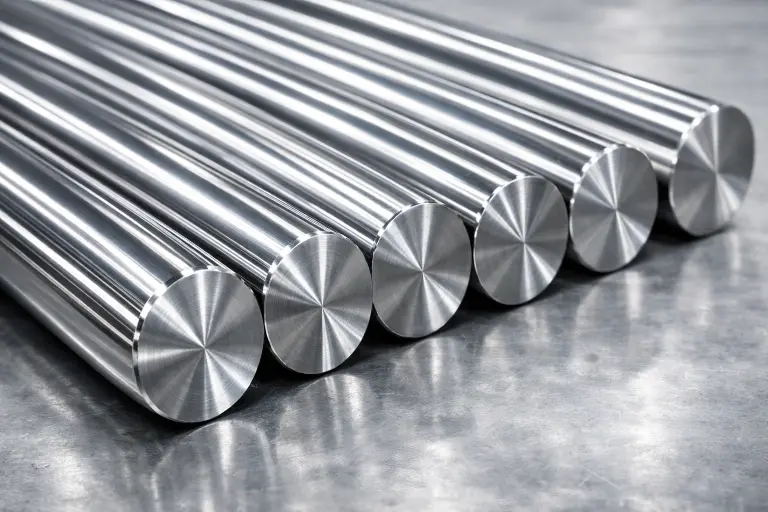
To obtain flawless surface finishes and precise dimensions, 316/316L stainless steel is commonly turned, ground, and polished. These machining processes result in smoother, more wear-resistant surfaces that adhere to stringent tolerance standards. High-performance industries demand certified quality assurance procedures, such as passivation and electropolishing, to maximize corrosion resistance and minimize contamination. These processes ensure not only mechanical excellence but also long-lasting durability in service.
Challenges and Considerations
Despite their numerous benefits, 316 and 316L stainless steels can present difficulties during machining caused by their work-hardening nature. Using well-chosen cutting parameters, coolant, and robust tool materials is vital to prevent tool degradation and ensure high-quality surface finishes. Additionally, each use case may require different grades or finishing techniques, so understanding the specific requirements and constraints of each application is essential for optimal material selection.
Future Trends in Stainless Steel Manufacturing
The field is moving toward continued innovation, with research focused on new alloys that decrease resource dependency or broaden the temperature range of applications. Additive manufacturing further drives customization and reduces waste, enhancing the design freedom for engineers. As manufacturers adapt to these developments, staying informed about new techniques and material options is crucial for maintaining a competitive edge.
Conclusion
With unmatched corrosion resistance and mechanical reliability, 316/316L stainless steel remains indispensable across modern manufacturing. Ongoing innovation is producing more affordable options and widening the range of applications, making it a foundational material for the industry’s future. Armed with a deep understanding of these alloys and the latest manufacturing trends, decision-makers can unlock new possibilities for efficiency and product excellence.
Also Read-33+ Other Ways to Say “Thank You for Your Business”