
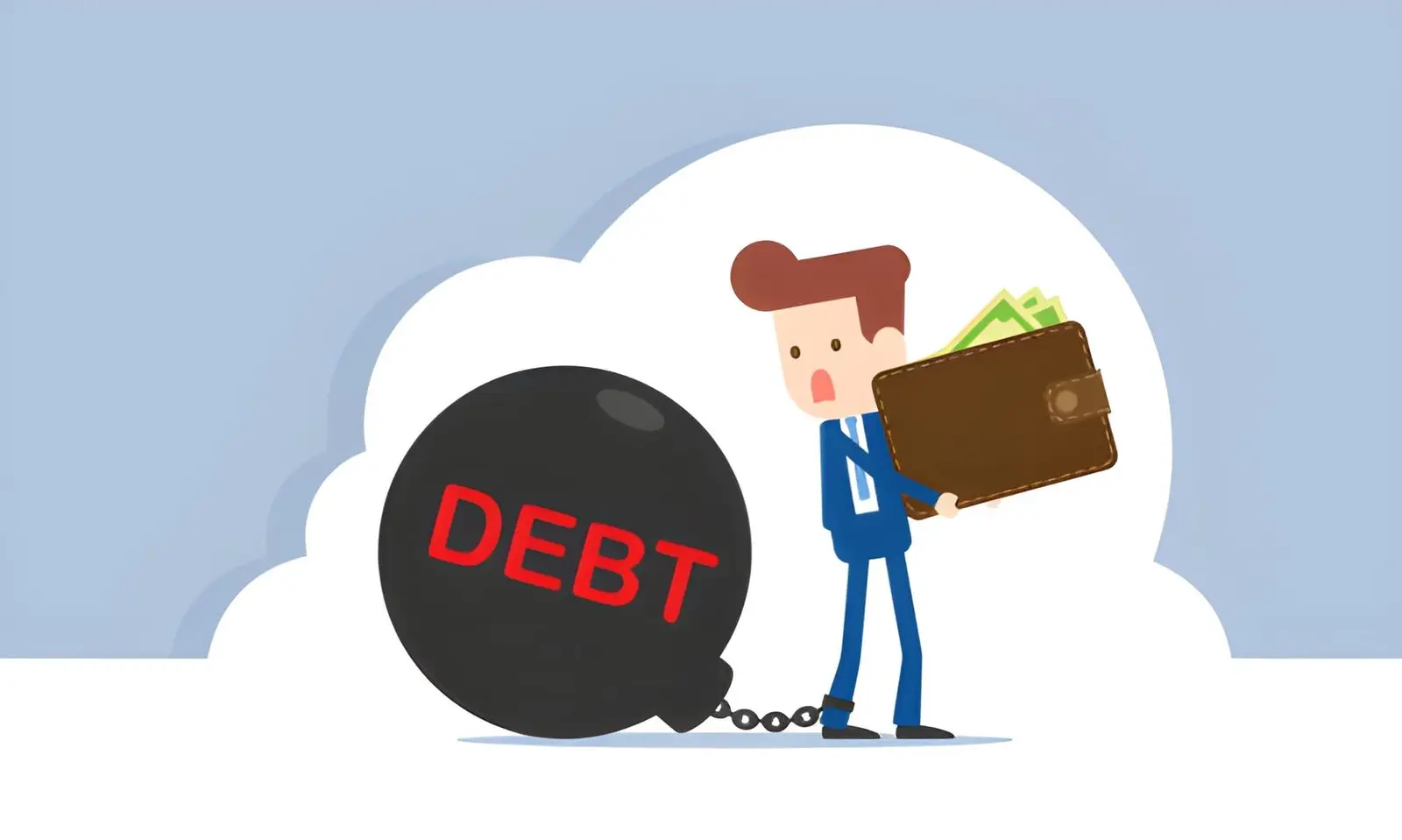
Debt Can Become Inventory
When people think about debt, they usually think about it from the borrower’s side. A bill is late. A payment gets missed. The account becomes stressful. But from the issuer’s side, unpaid debt also becomes a business problem. It is no longer just money someone owes. It is an asset that is not performing.
That is one reason issuers sometimes sell debt. If an account has gone unpaid for long enough, the issuer may decide it is more useful to sell the account for immediate cash than keep spending time and money trying to collect it. For consumers already feeling buried by unpaid credit card balances, this is also the point where they may start comparing options such as hardship plans, credit counseling, or the best credit card debt relief.
Selling Debt Turns Uncertainty Into Cash
An unpaid account is uncertain. The issuer does not know if the borrower will pay tomorrow, next month, next year, or never. Meanwhile, the account still requires attention. There may be collection calls, letters, staff time, compliance work, record keeping, and legal review.
Selling the debt changes that uncertainty into immediate cash. The issuer may receive only a small portion of the balance, sometimes described as pennies on the dollar, but the money arrives now. That can be more attractive than waiting and hoping for full repayment.
In simple terms, the issuer trades a possible future recovery for a smaller guaranteed recovery today.
Collections Cost Money Too
Collecting debt is not free. Even when a creditor has internal collection teams, those teams cost money. Employees, software, mail, phone systems, compliance monitoring, and management all add up. If an account is seriously delinquent, the issuer has to decide whether additional collection effort is worth the expected return.
At some point, the math may no longer make sense. If the issuer believes the odds of collecting are low, selling the debt can be a cleaner business decision.
This is not emotional. It is operational. The issuer is asking whether its resources are better spent chasing old accounts or serving current customers who are still using products and making payments.
Charge Off Does Not Mean The Debt Disappears
Many debts are sold after they have been charged off. A charge off is an accounting step where the issuer treats the debt as a loss. That does not mean the borrower no longer owes the money. It means the issuer has moved the account into a different category on its books.
After charge off, the issuer may continue collection efforts, assign the account to a collection agency, or sell it to a debt buyer. If the debt is sold, the buyer may then try to collect the balance.
The Consumer Financial Protection Bureau provides helpful information on debt collection and consumer rights, including what people can do when a collector contacts them.
Debt Buyers See Opportunity In Old Accounts
A debt buyer purchases delinquent accounts at a discount. The buyer does not need every account to pay in full to make money. If the buyer purchases a group of accounts cheaply enough, collecting on some of them may be profitable.
That is why a debt buyer may contact someone months or even years after the original account became delinquent. The buyer may send letters, make calls, offer settlements, report to credit bureaus, or pursue legal action where allowed.
For the consumer, this can feel confusing. The original creditor may no longer be the company asking for payment. The amount may look different because of interest, fees, or records transferred with the account. This is why verification matters.
The Paper Trail Becomes Very Important
When debt changes hands, paperwork matters more than ever. A consumer should know who currently owns the debt, who the original creditor was, what the balance is, and whether the collector has authority to collect.
Mistakes can happen. Accounts can be sold with incomplete records. Names, balances, dates, or account numbers can be wrong. A person may even be contacted about a debt that is not theirs.
The Federal Trade Commission’s debt collection FAQs explain that debt collectors must follow rules against abusive, unfair, or deceptive practices. If a consumer disputes a debt or asks for information, written records can help protect them.
Why Issuers Do Not Always Keep Collecting
Some issuers keep collection work in house for a while because they may recover more money directly. But long term delinquent accounts become less attractive over time. The older the debt, the harder it may be to collect. Contact information may go stale. Borrowers may have other debts. Legal deadlines may become an issue. The cost of pursuing the account may rise while the chance of recovery falls.
Selling debt allows the issuer to move on. It can remove difficult accounts from internal workflows, reduce administrative burden, and focus on lending, customer service, marketing, fraud prevention, and risk management.
From the issuer’s viewpoint, debt sales are part of managing a large portfolio. Some accounts perform. Some do not. Selling delinquent accounts is one way to manage losses.
What This Means For Consumers
If your debt is sold, it does not automatically mean you should ignore it, panic, or pay immediately. It means you need to slow down and confirm the facts.
Read every notice carefully. Save letters and emails. Ask for information in writing. Confirm the collector’s name, the current owner of the debt, the original creditor, the amount claimed, and the date of last payment. Do not give bank account information during a rushed call. Do not agree to a payment plan unless you can afford it and have the terms in writing.
Also be careful with old debt. Making a payment or acknowledging the debt in certain ways may affect the timeline for collection or lawsuits depending on state law. If you are unsure, it may be worth speaking with a consumer attorney or qualified financial counselor before acting.
Debt Sales Are Business Decisions, Not Personal Judgments
It can feel personal when a debt is sold. A new company may contact you. The language may sound more serious. The account may show up differently on your credit report. But the sale itself is usually a business decision made by the issuer.
The issuer is not necessarily deciding that you are a bad person. It is deciding that the account no longer fits how it wants to use time, money, staff, and risk. That distinction matters because shame can make people freeze, and freezing can make collection problems worse.
The Best Response Is Organized, Not Emotional
When an issuer sells debt, the power of the situation shifts to documentation. Who owns the account? What is owed? Is the debt accurate? Is it legally collectible? What are your options?
The more organized you are, the less vulnerable you become to confusion or pressure. Keep records. Verify claims. Know your rights. Get agreements in writing. Ask questions before paying.
Issuers sell debt because it helps them convert uncertain accounts into immediate cash, reduce collection costs, and clear space for more profitable business. Consumers can protect themselves by understanding that process and responding with facts instead of fear.
Also Read