
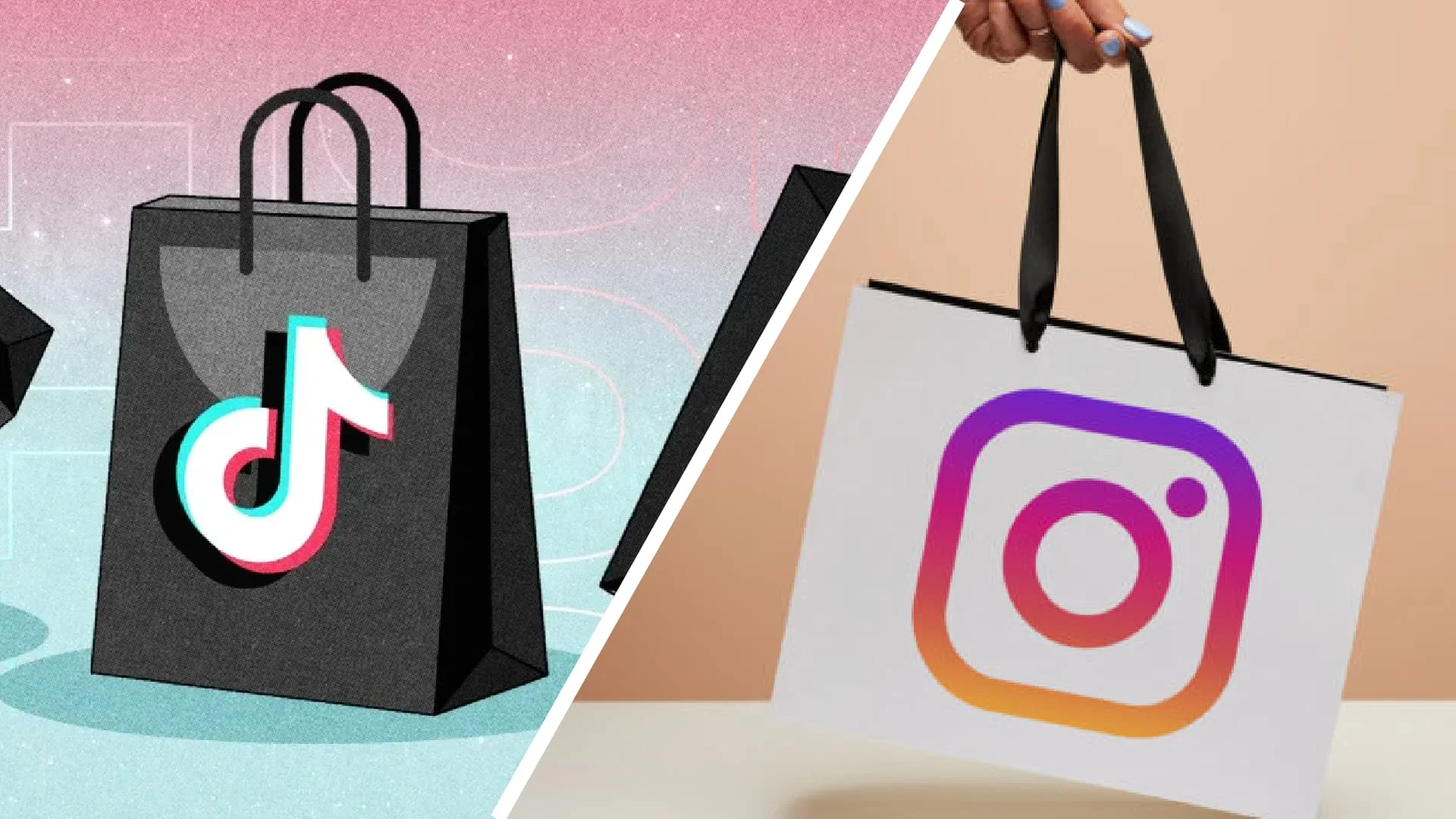
Social commerce — the integration of shopping into social media experiences — has emerged as one of the fastest-growing segments in US e-commerce. Two platforms are competing most directly for this territory: TikTok Shop and Instagram Shopping. Both give sellers the ability to tag products in content and drive purchases without leaving the app. But they approach social commerce very differently, serve different audiences, and require different strategies to succeed.
This comparison breaks down the key differences to help US e-commerce sellers decide where to focus their social commerce investment.
Platform Overview
TikTok Shop
TikTok Shop is an integrated e-commerce layer built directly into TikTok’s content ecosystem. Products can be tagged in short-form videos, featured in LIVE shopping streams, and listed in TikTok’s in-app marketplace (TikTok Shop tab). The checkout experience is fully native — buyers purchase without leaving TikTok. TikTok’s algorithm actively surfaces shopping content to users who have shown purchase intent signals, making organic discovery remarkably powerful.
Instagram Shopping
Instagram Shopping allows brands to tag products in posts, Stories, and Reels, leading to product pages within the Instagram app. However, the final checkout either happens through Instagram’s native checkout (available to select US brands) or directs buyers to an external website. The Instagram Shopping tab provides a browsable catalog experience. Instagram’s shopping features are tightly integrated with Facebook Shops, enabling cross-platform product management.
Audience Comparison
TikTok’s Audience
TikTok’s US audience in 2025 consists of 170+ million monthly active users, with particularly strong penetration among Gen Z (18-24) and younger Millennials (25-34). The platform’s engagement metrics are exceptional — average US user spends over 90 minutes per day on TikTok. This combination of scale, youth demographic, and deep engagement makes TikTok uniquely powerful for products targeting these cohorts.
Instagram’s Audience
Instagram has over 150 million US monthly active users, with a broader age distribution — strong presence among 18-34 year olds, with significant reach into the 35-50 demographic that TikTok doesn’t yet own. Instagram users typically have higher average household incomes than TikTok users, which matters for premium product pricing strategy.
Commerce Infrastructure Comparison
Checkout Experience
TikTok Shop wins here decisively. The fully in-app checkout experience creates less friction than Instagram’s approach, where many brands still redirect buyers to an external website. Checkout friction is one of the most significant predictors of abandoned carts in e-commerce — every additional step reduces conversion rates. TikTok Shop’s seamless checkout is a genuine competitive advantage.
Product Discovery
TikTok’s algorithm is one of the most powerful content discovery systems ever built. Unlike Instagram’s social graph (you see content from accounts you follow), TikTok’s For You Page shows users content based on interest signals regardless of follow status. This means a brand with zero followers can go viral on TikTok. It also means product videos can reach millions of potential buyers organically — something Instagram’s current algorithm does not support nearly as effectively for new accounts.
Creator Ecosystem
Both platforms have robust creator ecosystems, but TikTok’s affiliate model for shops is more formalized and accessible than Instagram’s influencer marketing infrastructure. TikTok Shop’s affiliate program allows any seller to invite creators to promote products for a commission — with full performance tracking built into the platform. Instagram’s equivalent (affiliate partnerships) is less integrated and typically requires larger minimum follower counts for participating creators.
Content Format Requirements
TikTok
TikTok is fundamentally a short-form video platform. Content that performs well on TikTok Shop is authentic, fast-paced, and often educational or entertaining — ‘how to use’ demonstrations, ‘reaction’ videos, before/after transformations, and day-in-the-life content featuring products. High production value is less important than authenticity and engagement.
Instagram supports a broader range of content formats: static photos, carousels, short Reels, Stories, and longer video. The aesthetic bar on Instagram is higher — followers expect polished, visually consistent content that reflects a brand’s identity. This makes Instagram better suited for aspirational lifestyle brands where visual brand-building is part of the marketing strategy.
Which Platform Is Right for Your Products?
The decision depends on several factors:
Choose TikTok Shop if:
- Your target customers are primarily Gen Z or younger Millennials
- Your products can be demonstrated visually in 30-60 second videos
- You have or can recruit creators to make authentic content about your products
- You’re looking for the highest organic discovery potential with lower content production budgets
- Your product has a clear ‘wow factor’ or transformation that reads well on video
Choose Instagram Shopping if:
- Your brand is highly aesthetic and visual brand-building matters to your strategy
- Your products target the 30-50 demographic or higher-income buyers
- You’re already building a community on Instagram and want to monetize it
- Your products sell well through styled, editorial-quality imagery
- You want cross-platform Facebook Shops integration for your catalog
For most product-focused e-commerce brands, tiktok shop vs instagram shopping isn’t an either/or decision — the platforms serve different audience segments and content strategies, making a both approach valuable for brands with the resources to execute on both.
The Integrated Social Commerce Strategy
The most sophisticated US e-commerce brands are not choosing between TikTok and Instagram — they’re using both, with content tailored to each platform’s native format and audience expectations. A Reel on Instagram and a TikTok video for the same product will look and feel different — and both can drive significant commerce outcomes if executed well.
Sellers exploring tiktok shop for e-commerce sellers as a channel benefit from working with experienced advisors who understand the platform’s unique commerce mechanics, content requirements, and affiliate ecosystem — rather than applying generic social media marketing approaches that don’t account for TikTok Shop’s distinct selling environment.
Conclusion
TikTok Shop and Instagram Shopping represent the two leading approaches to social commerce in the US market. TikTok wins on organic discovery power, checkout experience, and algorithmic reach for new brands. Instagram wins on audience maturity, visual brand-building tools, and premium demographic reach.
The smartest sellers in 2025 treat social commerce as a multi-platform strategy, not a platform choice. Building presence on both — with content strategies native to each — provides the broadest possible reach and the most resilient social commerce revenue foundation.
Also Read