
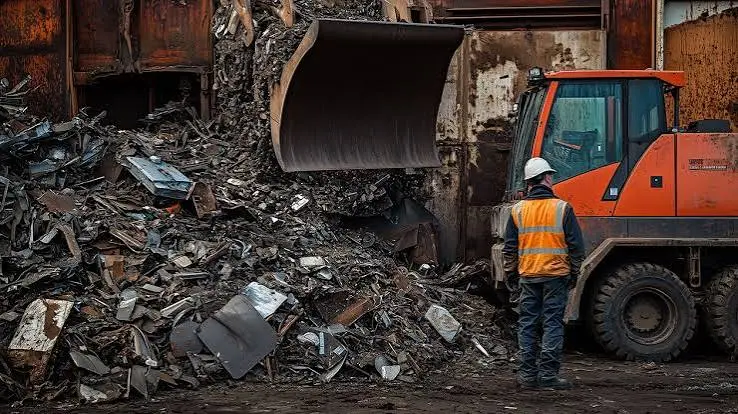
Everyone’s got a corner somewhere. The side of the shed with the old copper pipe from the reno. The stack of aluminium window frames leaning against the fence since last summer. The dead washing machine that’s been “going to the tip next weekend” for about three years.
Here’s the thing most people miss: some of that is worth real money, some of it is worth almost nothing, and some of it will get you turned away at the yard. Sorting the difference before you book a pickup saves everyone time, and usually means a bigger cheque at the end.
The stuff that actually pays
Not all scrap metal sits at the same price point. The rough hierarchy, from most valuable per kilo to least, looks something like this:
- Copper. The big one. Bright, clean copper wire and pipe fetch the strongest rates, especially once it’s been stripped of insulation. Even dirty copper, tarnished or with a bit of solder on it, still pulls decent money.
- Brass. Old taps, valves, plumbing fittings, door hardware. Less than copper, but comfortably above the ferrous metals.
- Aluminium. Old window frames, extrusion offcuts, cast alloy wheels, drink cans in bulk. Prices swing a lot with global demand, but there’s usually a buyer.
- Stainless steel. Sinks, splash-backs, catering gear. Grade matters, since 304 and 316 pull more than the cheaper 400-series stuff.
- Lead. Old flashing, sinker weights, some batteries. Handled carefully because of the health risks, but still a legitimate scrap material.
- Steel and cast iron. The bulk of most household scrap. Individually low value per kilo, but the sheer weight adds up on things like old cast iron baths, engine blocks, or a trailer load of offcuts.
If you’re not sure whether something is ferrous (iron-based) or non-ferrous, a fridge magnet is your friend. Sticks? It’s steel or iron, and probably at the lower end of the pay scale. Doesn’t stick? Now you’re in copper, aluminium, brass, or stainless territory, where the real money lives.
What doesn’t get paid for, or gets refused entirely
This is where a lot of people get caught out. Just because something is metal doesn’t mean a scrap yard wants it.
- Whitegoods with gas in them. Old fridges, freezers, and air-cons need the refrigerant properly degassed by a licensed technician before they can be recycled. Some yards will take them as-is and handle it themselves; others will refuse point-blank.
- Sealed gas cylinders and pressure vessels. LPG bottles, oxygen cylinders, fire extinguishers. Serious explosion risk if crushed. They need to go to a specialist, not a general scrap yard.
- Anything with asbestos. Old fibro-backed sheeting, some vintage electrical panels, certain lagging on pipe. If there’s any chance asbestos is involved, stop and get it assessed properly. No reputable yard will touch it.
- Contaminated metal. Steel drums that held chemicals, oily rags mixed in, paint-caked frames. The cleaner it is, the more welcome it is.
Prep work that quietly bumps your payout
The people running the yard aren’t paying you for the plastic sleeve on the wire, the rubber wheel on the trolley, or the timber attached to the beam. Anything non-metal that stays on the piece brings the effective grade down and the price with it.
A rough afternoon of prep can add real value:
- Strip insulation off copper wire where you can. Bare bright copper sits at a different price tier to insulated cable.
- Pull motors out of old appliances and bag them separately. The copper windings inside are worth sorting.
- Separate metals by type into rough piles. Copper here, aluminium there, ferrous over there. It saves the yard time and often earns you a better rate.
- Drain fuel and oil from anything that had them. Petrol tanks and sumps aren’t allowed anywhere near a shredder with fluid still in them.
If any of that sounds like more effort than it’s worth, that’s a fair call. Book a pickup and let the yard handle the sorting on their end. You’ll get a slightly lower per-kilo rate, but you’ll be rid of the pile in an afternoon instead of a weekend.
Rules worth knowing in New South Wales
NSW has some of the tightest scrap metal regulations in the country, mostly because of a long history of theft from building sites and rail infrastructure. Two things worth knowing before you head to a yard:
You need photo ID. Every transaction gets logged against your name, address, and the registration of the vehicle you arrived in. This isn’t optional and it isn’t the yard being nosy. It’s the law.
You won’t get paid in cash. Payments have to go through EFT, cheque, or bank transfer. Anywhere offering cash on the spot is either operating outside the rules or misinformed. Neither is a good sign.
Both apply whether you drop off yourself or use a pickup service, so have your ID and bank details ready either way.
When a pickup service makes sense
Small loads that fit in the boot are easy enough to run to a yard yourself. Anything bigger, like a full ute tray, a garage clean-out, or a demolition pile, and a free pickup service starts making sense pretty quickly. No fuel, no back injury, no worrying about tie-downs on the freeway.
For anyone in the Illawarra weighing that up, a local scrap metal recycling Wollongong operator will usually quote over the phone based on rough weights and photos, then handle the rest. Ask about the current daily rate for whatever you’ve got the most of, and compare it against the effort of dropping off yourself. Most of the time the pickup wins on convenience without giving up much on price.
The short version
Sort what you’ve got, know what’s worth carrying and what to skip, do a bit of prep on the copper if you can, bring your ID, and expect the money to hit your bank rather than your back pocket. That’s the whole game. Done right, that pile in the yard turns into a fair bit of spending money and a much tidier property in a single afternoon.
Also Read